

The Orthofeet Blog
hiking


Josh White DPM / August 12, 2021
Hiking with Plantar Fasciitis: What You Need to Know
Hiking with Plantar Fasciitis: What You Need to Know
Read Post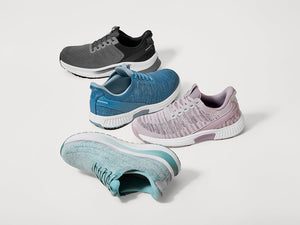




-
How to Fix Flat Feet: Can They Be Corrected? What to Know
Medical information provided by Orthofeet Team / September 09, 2026Key Takeaways Flat feet can rarely be fully corrected in adults, but the pain and fatigue they cause can be reduced significantly. Supportive shoes are one of the easiest and most effective changes you can make for everyday comfort. Exercises and orthotics work best as a team, not as stand-alone fixes. The best treatment for flat feet usually depends on the cause, your foot structure, and whether your symptoms are causing pain during daily movement. Can Flat Feet Be Corrected? Flat feet, also known as pes planus, happen when the arch of the foot flattens out and touches (or nearly touches) the ground [1]. For most adults, this isn't something new. Flat feet are usually tied to how the arches formed, or didn't form, over a lifetime, which is why full correction is rare once you're grown. That doesn't mean you're stuck living with foot pain. While the structure of a flat foot is hard to change in adulthood, the symptoms, like aching, fatigue, and poor alignment, can be managed well with the right combination of shoes, exercises, and support. So, can flat feet be corrected? In many adults, they may not be structurally reversed, but the discomfort they cause can often be improved. The Different Types of Flat Feet Flexible flat feet: An arch appears when the foot is lifted off the ground but disappears when standing. This is the most common type. Rigid flat feet: There's no visible arch whether you're standing or not. This type is less common and often more symptomatic. Congenital flat feet: Present since childhood, often running in families. Acquired flat feet (fallen arches): Develop later in life, often from tendon problems, injury, or years of unsupportive shoes. In some cases, flat feet may simply be part of your natural anatomy and not a cause for concern. But if you have aching feet, pain in your feet, or changes in the way you walk, it may be time to consider support, exercises, and professional guidance. Why Full Correction Is Difficult in Adults Once you reach adulthood, the bones, ligaments, and tendons in your feet have already set into their current shape. Exercises and shoes can support that structure, but they generally can't rebuild an arch that never formed. Some causes of flat feet actually get worse over time if left untreated. Posterior tibial tendon dysfunction, for example, is a progressive condition where the posterior tibial tendon that supports the arch weakens and stretches, gradually flattening the foot further [1]. This is one of the main reasons doctors recommend addressing flat feet symptoms early rather than waiting for them to resolve on their own. What Causes Flat Feet? The causes of flat feet can include inherited low arch structure, weak foot muscles, tight calf muscles, injury, arthritis, tendon strain, or years of wearing unsupportive footwear. Some people develop flat feet later in life when the muscles and tendons that support the arch weaken. Flat feet can also be associated with overpronation, which occurs when the foot rolls too far inward during walking. When the arch collapses, the ankle may roll inward as well, changing your foot mechanics and placing extra stress on the foot and lower leg. Not everyone with flat feet has pain. However, many people with flat feet notice fatigue, soreness, or strain after standing or walking for long periods. Exercises That Strengthen Flat Feet Flat feet are often linked to weak muscles in the foot and ankle, along with tight calf muscles that pull on the arch. Strengthening these areas won't build an arch from scratch, but it does improve support and can meaningfully reduce pain over time. Aim to do these exercises three to four times a week. Consistency matters far more than intensity, so short, regular sessions will get you further than occasional, intense ones. These flat feet exercises are most helpful when they are part of a broader flat feet treatment plan that includes supportive shoes and, when needed, orthotics. Arch Lifts, Heel Raises, and Towel Curls Arch lifts: Press your foot into the floor and try to lift the arch without curling your toes. Hold for 5 seconds and repeat for 10 reps. This builds the small muscles that support the arch. Heel raises: Rise onto your toes, hold briefly, then lower slowly. Do 2-3 sets of 15. This strengthens the calves and ankles that help stabilize your step. Towel curls: Use your toes to scrunch a towel toward you. Repeat 10 times per foot to strengthen the toes and the muscles underneath the foot. Calf stretches and simple balance exercises, like standing on one foot, are also worth adding to your routine. Simple stretching exercises can help reduce tightness in the calf muscle, while specific exercises for the arch and ankle can improve daily comfort. Just remember that exercises support your feet best when they're paired with proper footwear rather than used alone. Best Exercises for Flat Feet The best exercises for flat feet are the ones that strengthen the muscles that support your arch while improving control through the ankle and lower leg. These exercises for flat feet can help improve foot function, foot strength, and stability: Short-foot holds to activate the arch in the foot Heel raises to strengthen the calf and ankle Towel curls to target small foot muscles Single-leg balance to improve stability Calf stretches to reduce pull on the arch Resistance band ankle work to improve control These foot exercises may not fully rebuild flat arches, but they can help support the arch, improve foot control, and reduce daily strain. A physical therapy plan may also include targeted strengthening, mobility work, and gait training. How the Right Shoes Help Flat Feet Flat feet often feel worse in shoes that are too flat, too soft, or simply worn out. The right shoe reduces pressure on the arch and gives the foot the support it's missing, which is often the single most effective change you can make. Key Features to Look For Firm arch support built into the sole, not just added as an afterthought A stable heel counter that helps control the foot from rolling too far inward Cushioning that absorbs shock without feeling too soft or unstable underfoot A wide, comfortable fit that doesn't crowd or compress the foot Removable insoles so you can add custom orthotics if you need them Choosing the right footwear is one of the most practical answers to how to fix flat feet on a daily basis, since it directly reduces the strain that builds up with every step [1]. Shoes that provide support under the arch, heel, and midfoot can help improve alignment and make walking feel easier. For people comparing motion control vs. stability shoes, motion control shoes are usually firmer and more structured, while stability shoes offer support with a more flexible everyday feel. The best option depends on your arch height, comfort needs, and whether a podiatrist recommends extra support. Flat Feet and Overpronation Flat feet and overpronation often happen together. With flat feet and overpronation, the arch lowers as the foot bears weight, which can allow the foot and ankle to roll inward. This may affect the knees, hips, and lower back over time. If you're wondering how to tell if you overpronate, check the bottoms of your shoes. Heavy wear along the inside edge may indicate that your feet roll inward when you walk. You may also notice ankle instability, heel pain, or tired feet after prolonged standing. Learning how to correct overpronation often starts with the same foundation used for flat feet: supportive shoes, stable insoles, arch-focused exercises, and professional guidance when symptoms continue. Insoles and Orthotics for Flat Feet Over-the-counter insoles: Add cushioning and mild arch support. These are a good starting point for mild, everyday discomfort. Custom orthotics: Molded to your specific foot shape, custom orthotics are typically recommended for chronic pain or more complex foot mechanics. Orthofeet shoes are designed with removable, built-in orthotic insoles, which reduces the need to buy and swap out separate inserts. This makes it easier to get consistent, all-day support the moment you put your shoes on. A good rule of thumb is to try supportive shoes and over-the-counter insoles first. If pain continues after a few weeks of consistent wear, that's a sign it may be time to talk to a podiatrist about custom orthotics. These treatment options are considered a form of conservative treatment because they focus on support, stability, and pain relief without surge When Flat Feet Need Medical Attention Most people with flat feet manage their symptoms with shoes, insoles, and exercises. But some signs mean it's time to see a specialist rather than continuing to self-manage. Pain that doesn't improve with better shoes and inserts after several weeks One foot appearing to get flatter than the other over time Ankle instability or a feeling of weakness when walking Pain that spreads to the knees, hips, or lower back Noticeable swelling or a change in the way you walk Symptoms connected to conditions such as bunions, arthritis, or tendon problems A visit to a podiatrist typically includes a gait check, imaging if needed, and a treatment plan based on the actual underlying cause, whether that's a tendon issue, arthritis, or a structural foot deformity [1]. Catching problems early generally leads to better, less invasive treatment options. In severe cases, a specialist may discuss foot and ankle surgery, but most people do not need it. Doctors usually recommend surgery only when pain, instability, or structural problems do not respond to conservative care. Orthofeet Shoes for Flat Feet Orthofeet designs shoes specifically with conditions like flat feet in mind, combining orthopedic support with everyday comfort so you don't have to choose between the two. Every design starts with the foot's arch actual needs, not just the way a shoe looks. Key Benefits of Orthofeet Shoes Built-in orthotic insoles for arch support and cushioning in every step A firm heel counter for better stability and alignment A wide, roomy fit that reduces pressure on the foot Extra depth options for a comfortable, pressure-free fit Lightweight, ergonomic soles designed for all-day wear If you've been searching for how to fix flat feet, or wondering whether flat feet can be corrected at all, the honest answer is that full correction is rare in adulthood. But with supportive shoes, consistent exercises, and the right insoles, most people with flat feet find real, lasting relief from pain and fatigue. For everyday comfort and support, Orthofeet offers shoes for flat feet, including flat feet shoes for men and flat feet shoes for women, designed with arch support, cushioning, roomy fit options, and stable soles. If inward rolling is also part of the problem, Orthofeet’s overpronation shoes can help support alignment and reduce strain with every step. The Bottom Line So, how to fix flat feet in a realistic way? For most adults, the goal is not to permanently rebuild the arch, but to reduce pain, improve support, and protect the foot and ankle from added strain. Supportive shoes, orthotic insoles, targeted exercises, and smart foot care can help make daily movement more comfortable. Flat feet can help you understand what your body needs from the ground up: better support, better alignment, and footwear designed around real foot mechanics. With the right plan, flat feet pain can often be managed so you can move through your day with more comfort and confidence. [product-group-tile] Sources [1] MedlinePlus, National Library of Medicine. "Flatfeet."https://medlineplus.gov/ency/article/001238.htmRead More -
Fallen Arches and Plantar Fasciitis: What's the Difference?
Medical information provided by Orthofeet Team / April 16, 2026Foot pain has a way of stopping you in your tracks, but not all foot pain is the same. Two of the most common culprits are fallen arches and plantar fasciitis. While each condition has its own set of causes and symptoms, they share a complicated relationship that often leads them to the same conversation, and sometimes in the same foot. Understanding the similarities and differences between plantar fasciitis and fallen arches is the first step toward getting the right kind of relief. Fallen Arches vs. Plantar Fasciitis: Key Differences Fallen arches (also called flatfoot) refer to a structural change in the shape of the foot, while plantar fasciitis is an inflammatory condition affecting the plantar fascia, the thick band of tissue running along the bottom of the foot from the heel bone to the toes [1]. One is about how your foot is built; the other is about how a specific tissue responds to repetitive stress. That said, these two conditions tend to "team up." When the arch of the foot collapses or loses its height, it places extra tension on the plantar fascia, making it more vulnerable to irritation and injury. People with flat feet are significantly more likely to develop plantar fasciitis than those with a neutral arch [2]. Differences in Symptoms Fallen Arches: The arch of the foot appears flat or nearly invisible when standing Pain or aching along the inner ankle and the inside edge of the foot Swelling along the inner ankle or along the bottom of the foot Discomfort that can radiate upward into the leg, knee, or hip Fatigue in the feet after standing or pain in the heel when walking for long periods Plantar Fasciitis: Sharp, stabbing heel pain that is the most severe during the first steps in the morning or after long periods of rest. Pain concentrated specifically at the bottom of the heel, where the plantar fascia connects to the heel bone. Discomfort that tends to ease after a few minutes of walking, then may return after prolonged activity. Aching along the bottom of the foot that worsens toward the end of the day. The most telling distinction is location and timing. Fallen arches tend to cause broad, structural discomfort along the inner foot and lower leg. Plantar fasciitis pain is sharp, localized to the heel, and is notoriously bad with those first morning steps. Differences in Causes Fallen Arches are often the result of structural or degenerative factors, including: Genetics and family history of flat feet Injury or rupture of the posterior tibial tendon, which supports the arch Aging, which gradually weakens the tendons and ligaments in the foot Obesity or significant weight gain, which increases the load on the arch Pregnancy, which causes ligament laxity throughout the body Understanding what causes plantar fasciitis to flare often comes down to overuse and mechanical stress, such as: Repetitive impact activities like running, jumping, or walking on hard surfaces Wearing shoes without adequate arch support or cushioning Spending long hours on your feet, particularly on hard floors Tight calf muscles, which pull on the heel and increase tension in the fascia A sudden increase in activity level without proper conditioning Differences in Treatment Treating fallen arches focuses on structural support and stability. Because the arch itself has changed shape, the goal is to prevent further collapse and reduce the strain that flat feet place on the rest of the body. Physical therapy exercises to strengthen the intrinsic foot muscles and the posterior tibial tendon are commonly recommended, along with supportive footwear and orthotics that prop up the arch. Treating plantar fasciitis focuses on reducing inflammation and relieving tension in the fascia. Rest, ice, and anti-inflammatory measures help calm the acute pain. Calf stretches and plantar fascia stretches are among the most effective tools for long-term relief. Cushioned, supportive footwear that absorbs heel strike impact plays a major role in recovery and prevention. Can Fallen Arches Cause Plantar Fasciitis? Yes, and it happens more often than people realize. When the arch of the foot collapses, it sets off a kind of domino effect throughout the foot's structure. The plantar fascia, which normally gets some of its support from the natural curve of the arch, becomes overstretched as that curve flattens out. This is closely tied to a movement pattern called overpronation, which is the tendency of the foot to roll inward during walking or running. Flat feet are one of the most common causes of overpronation, and overpronation places repeated, uneven stress on the plantar fascia with every step [2]. Over time, that repetitive tension causes tiny tears in the tissue, triggering the inflammation that defines plantar fasciitis. Having flat feet is considered a significant risk factor for developing chronic heel pain. It does not mean plantar fasciitis is inevitable, but it does mean the foot is working against a structural disadvantage. Addressing the flat foot with proper support is one of the most crucial things a person can do to reduce that risk. How to Treat Both Conditions Common questions people ask are does plantar fasciitis go away and whether these conditions ever fully resolve. The honest answer depends on which condition you are dealing with. Collapsed arches are typically a permanent structural change, especially when caused by aging or tendon damage. The good news is that the pain and dysfunction associated with flat feet are very manageable with the right support, footwear, and strengthening exercises. Many people with flat feet live comfortably and actively with the right tools in place. Plantar fasciitis typically takes anywhere from 6 to 12 months to fully resolve, though most people see meaningful symptom improvement within a few weeks of starting the right treatment plan [3]. The key is consistency. Stretching, supportive footwear, and reduced impact on the heel all speed up recovery significantly. Supportive Footwear for Flat Feet Not all shoes are created equal when it comes to fallen arches. The structure of the shoe itself plays a major role in how properly the foot is supported throughout the day. Look for shoes with: A firm heel counter to stabilize the back of the foot and prevent the heel from rolling inward A wide base for improved stability underfoot Adequate depth and a roomy fit to accommodate any swelling that is common with flat feet Orthofeet shoes are designed with these essential needs in mind. The anatomical arch support built into each pair works to repair the foot and prevent the arch from collapsing further with every step. For those who also deal with swelling along the inner ankle, Orthofeet's tie-less lacing systems and stretchable uppers make it easy to achieve a secure, comfortable fit without the pressure of traditional laces. Browse plantar fasciitis shoes for women and plantar fasciitis shoes for men to find styles built for daily comfort and structural support. Arch Support and Orthotics When it comes to fallen arches and plantar fasciitis, cushioning alone is not enough. Soft, squishy shoes feel comfortable in the moment, but without functional arch support, they do nothing to lift the arch or reduce the tension on the plantar fascia. What you need is support that actually changes how the foot functions. Every pair of Orthofeet shoes comes with premium orthotic insoles featuring a biological arch support and a cushioning heel pad. This combination works to lift the arch, redistribute body weight more evenly, and reduce the concentrated pressure at the heel that drives plantar fasciitis pain. For those who need an extra level of lift, Orthofeet also offers Arch Boosters, removable inserts that can be placed under the orthotic insole to raise arch height and take additional pressure off the plantar fascia. These are particularly helpful during flare-ups or for those whose arches need more aggressive support than a standard insole provides. Explore insoles for plantar fasciitis and plantar fasciitis sandals for additional options that keep support consistent, whether you are in shoes or not. If your heel and arch pain are not improving, visiting a podiatrist is a necessary and worthwhile next step. A foot specialist can assess whether custom orthotics, physical therapy, or other treatment options are appropriate for your specific situation. [product-group-tile] Sources: [1] American Academy of Orthopaedic Surgeons. "Plantar Fasciitis and Bone Spurs." OrthoInfo,https://orthoinfo.aaos.org/en/diseases--conditions/plantar-fasciitis-and-bone-spurs/ [2] Tong JW, Kong PW. "Association Between Foot Type and Lower Extremity Injuries: Systematic Literature Review With Meta-analysis." Journal of Orthopaedic & Sports Physical Therapy, 2013.https://www.jospt.org/doi/10.2519/jospt.2013.4225 [3] Mayo Clinic. "Plantar Fasciitis." Mayo Clinic,https://www.mayoclinic.org/diseases-conditions/plantar-fasciitis/diagnosis-treatment/drc-20354851Read More -
How Long Do Work Boots Last? When to Replace Work Shoes
Medical information provided by Orthofeet Team / December 04, 2025Understanding how long work boots last helps you plan for replacements and maintain both comfort and safety on the job. They can typically last between 6 to 12 months with regular use, though this varies significantly based on your work environment, usage patterns, and boot quality. Knowing when to buy new work shoes before they completely fail prevents discomfort and potential safety hazards, especially when your feet hurt from standing all day. For many workers, learning how to make boots more comfortable early on helps maximize comfort throughout the entire lifespan of their footwear. The lifespan of work boots depends on multiple factors, from the materials and construction quality to your specific work conditions. Rather than waiting until your boots are completely worn out, recognizing the early warning signs helps you swap them at the right time for optimal comfort and protection. This proactive approach keeps your feet healthy and ensures you're always properly equipped for your job's demands. What is the Lifespan of Work Boots and Shoes? Work boots typically last 6 to 12 months with regular use, though this timeframe varies considerably based on usage intensity and work environment conditions. Light-duty work environments where you primarily stand or walk on smooth surfaces allow boots to last toward the longer end of this range. Heavy-duty environments with rough terrain, chemicals, or extreme conditions can wear out even quality boots in just a few months. The difference between light-duty and heavy-duty environments significantly affects boot longevity. Office workers or light industrial workers might see their boots last close to a year, while construction workers, welders, or outdoor workers may need to change them every 3-4 months. Those working outdoors may also benefit from knowing how to keep their feet warm in cold weather to maintain comfort even as boots begin to age. Outdoor workers may also want to explore winter hiking tips to keep their boots performing well in harsh seasonal conditions. Additionally, it is essential to understand how to choose hiking shoes and boots to optimize your footwear. High-quality, supportive brands like Orthofeet often extend both comfort and usability beyond typical timeframes through superior materials and construction. While the outer appearance might show wear, the internal support structures and cushioning maintain their effectiveness, providing continued comfort even as the boots age. Instead of waiting for major discomfort or obvious wear, regularly checking your boots for areas of deterioration allows you to swap them before problems develop. Weekly inspections of your boots' condition help you catch issues early and maintain consistent foot comfort and safety. This proactive approach prevents the foot pain and fatigue that comes from wearing worn-out boots. Professional workers who invest in quality work shoes for women or work shoes for men often find that the comfort and durability justify the initial cost. The improved support and extended lifespan of well-constructed orthopedic boots can actually provide better value over time compared to cheaper options that need to be changed out frequently. When It's Time to Swap Out Your Work Shoes Recognizing the warning signs that indicate it's time for new shoes helps you maintain foot health and job safety. These signs often appear gradually, making regular inspection of your footwear important for catching problems early. Worn-Out Soles and Tread Loss Visible wear on your boot soles is one of the clearest indicators that you need to swap out your shoes. When the tread pattern becomes shallow or disappears in high-wear areas, your boots lose their ability to provide a secure footing on various surfaces. Smooth soles create slip hazards, particularly on wet or uneven terrain [1]. Uneven sole wear patterns can indicate gait problems or boot design issues. If one area of the sole wears much faster than others, it suggests that your boots aren't providing proper support or that your walking pattern has changed. This uneven wear can create additional stress on your feet and legs. Cracked Midsoles and Weakened Arch Support Cracks in the midsole material indicate that the shock-absorbing properties of your boots have deteriorated. These cracks often start small but grow larger over time, eventually compromising the boot's ability to cushion your feet during walking and standing. Once midsole cracking begins, the deterioration typically accelerates. Compressed or flattened arch support that no longer springs back into shape signals that the internal support structures have failed. When you press on the arch area and it doesn't return to its original height, the support is no longer functional. This loss of arch support can lead to foot fatigue and pain during long extensive work shifts. Persistent Foot Pain and Discomfort New or increased foot pain after wearing your boots all day often indicates that the supportive features have worn out. Pain in your arches, heels, or across the ball of your foot suggests that the cushioning and support are no longer adequate for your needs. This discomfort typically worsens over time as the boot materials continue to deteriorate. Pain that persists even after removing your boots at the end of the day is a clear sign that your footwear is no longer providing adequate protection and support. Quality work boots should help reduce foot fatigue, not contribute to ongoing discomfort [2]. Because of this, many people question whether or not boots are good for their feet. Understanding the warning signs is essential for anyone choosing reliable work shoes to stay protected and supported. Compressed Cushioning and Loss of Rebound When the cushioning in your boots no longer compresses and rebounds with each step, it's lost its shock-absorbing ability. You can test this by pressing firmly on the insole or midsole area - if it stays compressed or feels hard rather than springy, the cushioning materials have broken down. This loss of rebound means that impact forces from walking and standing are being transmitted directly to your feet instead of being absorbed by your boots. The result is increased fatigue and stress on your foot structures throughout your workday. Continuing to wear boots with these problems can lead to foot strain, knee pain, and reduced safety on the job. The accumulated stress from inadequate support affects not just your feet but your entire kinetic chain, potentially creating problems that extend up through your legs and back. Orthofeet's ergonomic design and advanced cushioning technology help prevent many of these issues by maintaining their supportive properties longer than conventional work boots. The quality materials and construction methods used in these boots resist the breakdown that leads to premature replacement needs. Factors That Affect Boot Lifespan Understanding the factors that influence boot longevity last helps you make informed decisions about boot selection and care. These factors work together to determine both the rate of wear and the timeline for replacement. Work Environment Conditions Concrete floors create some of the most challenging conditions for work boot longevity. The unforgiving surface provides no cushioning, requiring your boots to absorb all impact forces. Workers who spend entire shifts on concrete typically see faster sole and midsole wear compared to those working on more forgiving surfaces. Uneven terrain and outdoor conditions accelerate wear through increased stress on boot materials. Rocky surfaces, gravel, and rough ground create abrasion that wears down soles faster. Moisture exposure from rain, puddles, or wet work areas can also accelerate material breakdown, particularly in leather boots without proper waterproofing. Chemical exposure in industrial environments can cause rapid deterioration of boot materials. Oils, solvents, and other chemicals can break down rubber compounds and weaken adhesives that hold the boot together. Some work environments require specialized chemical-resistant boots to maintain normal lifespans. Material Quality and Construction Leather boots typically offer superior durability compared to synthetic materials, particularly in demanding work environments. High-quality leather resists abrasion and punctures while maintaining its structure over time. However, leather requires proper care to achieve its full lifespan potential. Rubber compounds vary significantly in their durability and performance characteristics. Higher-quality rubber maintains its flexibility and grip longer, while cheaper compounds may harden or crack relatively quickly. The quality of rubber used in outsoles directly affects both safety and longevity. Steel toe construction generally provides longer protection than composite alternatives, though composite toes offer advantages in certain work environments. The choice between steel and composite affects not just protection level but also overall boot weight and comfort characteristics. Usage Frequency and Work Intensity Workers who are on their feet for 10-12 hour shifts put significantly more stress on their boots than those with standard 8-hour days. The extended wear time doesn't just add more use - it also allows less recovery time for boot materials to decompress and dry out between uses. High-activity jobs that involve frequent walking, climbing, or physical movement accelerate wear compared to positions requiring mainly standing. The additional flexing and stress from varied movements cause faster breakdown of adhesives and support structures within the boot. Care and Maintenance Habits Regular cleaning and proper drying significantly extend boot life by preventing material degradation from accumulated dirt, oils, and moisture. Boots that are allowed to dry completely between uses maintain their structural integrity longer and resist odor-causing bacterial growth. Proper storage in cool, dry conditions away from direct sunlight helps preserve boot materials. Extreme temperatures and UV exposure can cause rubber to crack and leather to dry out prematurely, reducing overall boot lifespan. Choosing durable, supportive materials that align with your specific job requirements helps ensure you get maximum value from your work boot investment while maintaining comfort throughout its useful life. How to Extend the Life of Your Work Boots Proper care and maintenance can significantly extend your work boots' lifespan while maintaining their comfort and protective features. These practices help preserve both the structural integrity and hygiene of your boots. Cleaning and Drying Practices Clean your boots regularly to prevent the accumulation of dirt, oils, and chemicals that can degrade materials over time. Remove surface dirt with a brush or cloth before it has a chance to work into the material and cause abrasion. For leather boots, use appropriate leather cleaners that maintain the material's flexibility. Allow boots to air-dry completely between uses to prevent moisture-related problems. Wet conditions promote bacterial growth that causes odors and can weaken adhesives and materials. Remove insoles when possible to allow better air circulation and faster drying. Never use direct heat sources like radiators or hair dryers, which can crack leather and damage rubber components [3]. Proper ventilation during drying helps prevent the moisture buildup that leads to material breakdown. Consider using boot dryers or placing boots in well-ventilated areas where air can circulate freely around them. Rotation Between Multiple Pairs Using two pairs of work boots in rotation reduces daily wear on each pair while allowing proper drying time between uses. This practice can nearly double the effective lifespan of both pairs compared to wearing one pair continuously. The recovery time allows compressed cushioning materials to decompress and materials to dry thoroughly. Rotation also allows you to address minor issues with one pair while continuing to wear the other. Small problems like loose stitching or minor sole separation can be repaired before they become major issues that require replacement. Using Quality Insoles and Orthotic Inserts Quality insoles help preserve the internal cushioning of your boots by providing an additional layer of shock absorption. Interchangeable insoles also allow you to refresh the comfort and support characteristics of aging boots without replacing the entire boot. Orthotic inserts can improve the support characteristics of work boots while protecting the original insole from wear. These inserts are particularly beneficial for workers with foot conditions or those who need enhanced arch support for comfort during extensive shifts. Regular replacement of removable insoles maintains hygiene and comfort even as the boot ages. Fresh insoles can make older boots feel significantly more comfortable and supportive. Proper Storage Techniques Store boots in cool, dry places away from direct sunlight to prevent material degradation. UV exposure can cause rubber to crack and leather to become brittle over time. Temperature extremes can also affect the flexibility and integrity of boot materials. Maintain the boot's shape during storage by using boot trees or stuffing them with newspaper. This prevents the upper materials from creasing and cracking, particularly important for leather boots. Proper shape maintenance also helps preserve the fit characteristics of your boots. Orthofeet's removable insoles and cushioned soles make it particularly easy to refresh comfort without switching out the entire boot. The quality construction of these boots responds well to proper care, often lasting longer than conventional work boots while maintaining superior comfort throughout their lifespan. Shop Durable, Supportive Work Shoes from Orthofeet Orthofeet provides comprehensive solutions for workers who need long-lasting comfort and support during demanding shifts. The advanced design features and quality construction help ensure that your investment in quality work footwear pays dividends in both durability and daily comfort. Orthotic Insoles for Superior Arch Support Orthofeet's built-in orthotic insoles provide anatomical arch support that maintains proper foot alignment throughout extensive work shifts. This support reduces stress on your plantar fascia and helps prevent the foot fatigue that develops from inadequate arch support in conventional work boots. The removable nature of these insoles allows for easy replacement or customisation with personal orthotics. This flexibility helps extend the useful life of your boots by allowing you to refresh the support characteristics as needed. Shock-Absorbing Cushioning for Reduced Fatigue Advanced cushioning technology in Orthofeet work shoes absorbs impact forces and reduces the stress transmitted to your feet and legs. This superior shock absorption helps prevent the cumulative fatigue that builds up during extensive shifts on hard surfaces. The multi-layered cushioning system provides both immediate comfort and long-term durability. Quality materials maintain their shock-absorbing properties longer than conventional cushioning, providing consistent comfort throughout the boots' lifespan. Wide Toe Boxes for Extended Comfort Orthofeet's wide toe boxes prevent the pressure and compression that can develop during long hours in work boots. This extra room accommodates natural foot swelling and reduces pressure on your toes and forefoot areas. The spacious design also allows for better circulation and reduces the risk of developing foot problems like bunions or hammertoes that can result from prolonged wear of tight-fitting work boots. Investing in quality, supportive work footwear from Orthofeet helps ensure that you maintain comfort and foot health throughout your career while getting maximum value from your footwear investment. [product-group-tile] Sources: [1] Occupational Safety and Health Administration. "Personal Protective Equipment - Foot Protection." OSHA,https://www.osha.gov/personal-protective-equipment/foot [2] Menz HB, Auhl M, Spink MJ. "Foot problems as a risk factor for falls in community-dwelling older people: A systematic review and meta-analysis." Maturitas. 2018;118:7-14.https://pubmed.ncbi.nlm.nih.gov/30415757/ [3] American Podiatric Medical Association. "Workplace Foot Safety." APMA,https://www.apma.org/Patients/content.cfm?ItemNumber=1523Read More -
Do You Need Arch Support for Flat Feet?
Medical information provided by Orthofeet Team / December 23, 2024Flat feet are more than just a unique foot shape - they can sometimes lead to challenges that impact your daily life. And that bears the question: do people with flat feet need arch support? The answer is yes, arch support is one effective way to tackle these challenges, including flat foot pain. To tackle the question ‘Do people with flat feet need arch support?’ you must first understand what a flat foot is. Understanding flat feet and its challenges Wondering what the difference is between a collapsed arch vs flat feet? Flat feet can also be referred to as fallen arches, which is a foot condition where the arch of the foot doesn't quite stand up as it should. This happens when the network of ligaments and tendons that typically support your foot's arch becomes weakened and instead of having a raised arch, the entire sole of the foot tends to make contact with the ground. About one in four people has some degree of flat feet, which can cause discomfort during prolonged standing or walking [1]. So, how to tell if you have flat feet? There are two types of flat feet: Flexible flat foot: where the arch appears when not bearing weight Rigid flat foot: where the arch is always flat [1] The causes of flat feet include: Genetics Injuries Obesity Aging Medical conditions like rheumatoid arthritis [1] If left untreated, fallen arches can potentially lead to other foot and leg problems, such as: Plantar fasciitis Osteoarthritis Achilles tendinitis [1] In such cases, physical therapy and foot exercises for flat feet can play a crucial role in managing these conditions. Flat feet shoes and arch support insoles are essential tools for managing the condition. While flat feet might sound like a minor issue, they can lead to pain or affect how you walk. The role of arch support in alleviating pain and discomfort So, do people with flat feet need arch support? Yes, arch support isn't just a luxury for people with flat feet - it’s essential for their proper foot function. Research shows that specialized flat feet insoles can do much more than just cushion your feet [2]. According to studies, there are several key benefits to using arch support: Shock absorption is enhanced, particularly at the heel, during different walking conditions (uphill, downhill, and level walking) [2]. Toe propulsion improves, especially for the big toe during uphill and level walking [2]. Contact pressure is more evenly distributed across the entire foot [2]. The main goal of arch support is to restore the natural elasticity of the foot's arch, making walking more comfortable and efficient. To wrap up the do people with flat feet need arch support question, here’s how it helps: Prevents overpronation (when your feet roll inward as you walk). Aligns your ankles, knees, and hips. Reduces foot fatigue. Helps protect against potential foot deformities. Key benefits of arch supports for flat feet Reduced pain and discomfort Arch supports work like shock absorbers, cushioning your feet and knees by redistributing pressure. This means less strain on your joints and soft tissues, potentially alleviating foot pain, lower back and knee pain. Improved Foot Stability When you have flat feet, balance can be a bit of a challenge. The answer to "do flat feet need arch support" lies in their ability to act like a personal stability coach for your feet, helping to redistribute your body weight evenly. By preventing your feet from rolling inward, these added supports create a solid foundation that improves overall balance and reduces the risk of ankle sprains. Enhanced posture and alignment Your feet are the foundation of your entire body. When they're not properly supported, it can throw off your entire alignment, from your knees to your hips. Arch supports help align your feet, which creates a positive ripple effect up through your knees, hips, and spine. The result is improved posture and potentially pain relief throughout your body. Prevention of further foot problems Wondering how to relieve knee pain from flat feet? The right knee pain shoes, plantar fasciitis shoes, and bunions shoes aren’t just about immediate comfort — they’re also about long-term foot health. By providing proper arch support and alignment, they help reduce stress on your feet’s ligaments and bones, which may help prevent issues. Increased comfort for daily activities Flat feet can turn simple activities into painful - or at best, uncomfortable experiences. Arch support provides the cushioning and stability needed to reduce foot fatigue and make these everyday tasks feel easier. By giving your feet the right kind of support, you’ll notice greater comfort throughout the day. How to choose the best arch support for your feet Choose arch support based on your foot type and pronation Choosing the right arch support is about balance and addressing your specific needs: Foot Type and Arch Height: Determine your arch type - Low arches need low support; medium arches benefit from moderate support. Activity Levels: High activity or prolonged standing requires durable, supportive insoles. Pain Points: Target support to alleviate specific discomforts like heel pain or arch soreness. Key features to look for in shoes for arch support Cushioned Support: Absorbs impact and reduces fatigue. Stability: Firm arch support prevents overpronation and aligns joints. Flexible Materials: Adapts to foot shape, accommodating bunions or swelling. Extra Depth: Ensures compatibility with custom orthotics. Heel Support: Reduces strain from conditions like plantar fasciitis. Supportive Sole Design: Rocker-style soles ease movement and lessen fatigue. The right arch support doesn’t just offer comfort—it protects your feet, enhances mobility, and works perfectly with women's flat feet shoes or men's flat feet shoes for optimal support and style. You can also opt for Orthofeet shoes, which are specifically designed for flat feet, offering built-in orthotic insoles so you don’t need to purchase separate inserts. Orthofeet innovative shoes and insoles for flat feet Arch support sneakers Women’s Kita: Stretch-knit upper for a snug fit, orthotic insoles for arch support and improved posture, wide toe box, and slip-resistant outsoles. Ideal for reducing foot pain and enhancing comfort. Men’s Yari: Ergonomic insoles for alignment, stretch-knit upper for a flexible fit, slip-resistant soles, and hands-free design. Perfect for all-day comfort and stability. Arch support dress shoes Women’s Emma: 2” heel for even weight distribution, arch support to prevent inward rolling, and a soft leather upper with a roomy toe box. Stylish and functional for flat feet. Men’s Moreno: Water-repellent leather, orthotic insoles for arch support, and a cushioned rocker sole for natural movement. Combines style and support seamlessly. Arch support slippers Women’s Charlotte: Wide toe box, adjustable strap, and cushioned sole with arch support. Designed for indoor and outdoor use with soft suede and synthetic fur. Men’s Asheville: Roomy fit, adjustable strap, cushioned arch support, and durable sole. Offers a cozy yet supportive experience for flat feet. Orthotic insoles Orthofeet orthotic insoles provide targeted support and comfort for common foot issues, easing pain and improving alignment with every step. Key features include: Arch Support: Reinforced arches reduce strain from flat feet, plantar fasciitis, and overpronation. Cushioned Heel Pad: Absorbs shock, easing heel pain during long hours of standing or walking. Shock-Absorbing Foam: Minimizes joint impact and fatigue for enhanced comfort. Contoured Design: Promotes healthy alignment and stability to reduce discomfort. Versatility: Fits most footwear, including sneakers and boots, for orthopedic support in any style. Stay supported and comfortable all day, no matter what shoes you wear. Frequently Asked Questions What causes flat feet and fallen arches to develop? Flat feet often develop due to genetics, aging, injury, obesity, or even pregnancy, which can strain the ligaments that support the arch. Fallen arches often occur when the tendons weaken over time, causing the foot’s structure to collapse- though fallen arches can be prevented through proper arch support in footwear. In some cases, medical conditions or prolonged overpronation can also cause pain and structural changes in the foot. How do insoles for flat feet help with pronation and foot pain? Insoles for flat feet are designed to stabilize the arch and control excessive pronation, especially overpronation, which can strain the ankle and heel. By offering arch support and heel stabilization, they help correct your gait and redistribute pressure more evenly. This support can reduce foot pain and discomfort during walking, standing, or sports activities. What should I look for in an insole for flat feet? The best insoles for flat feet typically feature firm arch support, a deep heel cup, and shock-absorbing cushioning to support the entire foot. They should match your arch height, whether you have low arches or more flexible fallen arches, to provide comfort and alignment. A podiatrist or doctor can help determine the right orthotics based on your activity level, pace, and specific pain points. Can flat feet cause pain in other parts of the body? Yes, flat feet often affect more than just the arch. Because they alter alignment, they can cause pain in the heel, ankle, knees, hips, and even the lower back. Using orthotics or supportive insoles helps improve posture and reduce the strain that may develop throughout the body. Should I wear orthotic insoles in all types of shoes? For consistent support, orthotic inserts can be worn in a wide variety of footwear, including athletic shoes and some sandals designed with removable insoles. The first step is choosing supportive shoes with enough depth to accommodate the insert and properly mold to your foot shape. The right orthotics provide comfort throughout the day and may help prevent further issues if you're suffering from fallen arches or overpronation. ===================== [1] Ewa Bednarczyk, Szymon Sikora, Aneta Kossobudzka-Górska, Krzysztof Jankowski, Yunuhen Hernandez-Rodriguez. Understanding Flat Feet: An In-Depth Analysis of Orthotic Solutions. ScienceDirect. March 2024. Accessed November 25, 2024. https://www.sciencedirect.com/science/article/pii/S2773157X23001224 [2] Yu-ping Huang, Hsien-Te Peng, Xin Wang, Zong-Rong Chen, Chen-Yi Song. The Arch Support Insoles Show Benefits to People with Flatfoot on Stance Time, Cadence, Plantar Pressure and Contact Area. National Library of Medicine. August 20, 2020. Accessed November 25, 2024. https://pmc.ncbi.nlm.nih.gov/articles/PMC7446821/ [3] Yinghu Peng, Duo Wai-Chi Wong, Tony Lin-Wei Chen, Yan Wang, Guoxin Zhang, Fei Yan, Ming Zhang. Influence of Arch Support Heights on the Internal Foot Mechanics of Flatfoot During Walking: A Muscle-Driven Finite Element Analysis. ScienceDirect. May 2021. Accessed November 25, 2024. https://www.sciencedirect.com/science/article/abs/pii/S0010482521001499Read More -
How to Tell If You Have Flat Feet: What To Do Next
Medical information provided by Orthofeet Team / December 23, 2024Flat feet, not to be confused with the similar but distinct fallen arches, might not be something you think about daily, but if you've ever experienced foot pain or discomfort, it could be worth taking a closer look. In simple terms, flat foot occurs when the foot arch along the inside of your foot is lower than usual, or practically nonexistent. This seemingly small difference in foot structure can have a surprisingly big impact on how your feet and lower leg function. It's not just about looks; flat feet is a foot condition that can lead to aches, reduced mobility, and even affect athletic performance. So, how to tell if you have flat feet? If you're unsure whether you have flatfoot or want to learn how to manage them, this article is for you. Signs you might have flat feet: common flat feet symptoms Here’s how to tell if you have flat feet: Pain in the arch and heel areaFlat feet can lead to pain around your arches and heels because the arch flattens, throwing off your normal foot balance. This discomfort is a one of the common symptoms when diagnosing flat feet [1]. Possible ankle or foot fatigueIf you often feel tired or sore after standing for a while or being on your feet, this could be one way to answer the question, 'How do you tell if you have flat feet?'. This happens because your foot structure has to work extra hard to support you, and that can lead to fatigue [1]. Changes in gait and postureFlat feet can change how you walk, often causing overpronation (where your feet roll inward) [1]. This can affect your overall posture, and general alignment and put extra strain on your entire foot, sole, lower leg, knees and hips. Inward rolling of the anklesThis is another sign of overpronation. It happens when your ankles roll inward, making you less stable and increasing the risk of injury [1], such as ankle sprains or shin splints. Pain on the inside or outside of the footFlat feet can cause discomfort not just in the arch and heel, but also along the inside or outside of the foot. If you're feeling pain in these areas, like heel pain, it could be related to your foot's alignment [2]. Muscle pain, fatigue, or aching in the foot or ankleOngoing aches or fatigue in your feet or ankles? It could be because flat feet change the way your body moves and strains certain muscles [2], as well as foot bones and tendons. Leg crampsThis may surprise you if you’re grappling with the question, ‘How do you tell if you have flat feet?’ But, if your legs cramp up, it might be due to the added stress flat feet place on your lower body, especially after physical activity [2]. This can lead to injuries such as shin splints. Pain when walkingWhether it's a dull ache or sharp pain, discomfort while walking can be a sign that your flat feet are affecting your daily movement [2]. Toe drift (outward pointing toes)In some cases, the toes can start to point outward. This shift can change the natural alignment of your entire foot, making it harder to walk comfortably [2], so add this sign to your “how to tell if you have flat feet” list. The impact of flat feet on the body To understand how to tell if you have flat feet, take a closer look at your day-to-day activities. When your feet are flat and aren’t properly aligned, it can throw off your posture and how you move. This can lead to flat feet and knee pain, or discomfort in the hips, or back as your body tries to compensate for the lack of arch support [1]. The extra strain on your joints and muscles can make common activities, like walking and running, harder. Over time, this could even make you more prone to injuries or limit your ability to stay active, making it essential to take proactive measures to protect your foot health [1]. Simple home tests to identify flat feet To answer the question, "How do you tell if you have flat feet?" there are a few easy tests you can try at home. The wet foot test This simple test helps you understand your foot arch type using just water and a flat surface. Start by wetting the soles of your feet, then step onto a dry, smooth, level surface like a piece of cardboard or a concrete floor. Observe the shape of the footprint left behind: If you see a thick, continuous print connecting your heel to the ball of your foot, it suggests a low or no arch, indicating flat feet [3]. A high-arch foot will leave a narrow imprint, showing only the outer edges of your foot [3]. Observing foot arch while standing and sitting To get a better sense of your arch's potential flatness, take a close look at your foot position in both standing and sitting positions. While sitting, your arch may appear more visible; but when you stand, it might flatten out, which can indicate a flexible flat foot, as opposed to a rigid flat foot. If your arch remains flat even while seated, it suggests a more rigid foot condition that may require additional evaluation. Observing how your arch behaves in different postures is an easy way to tackle the ‘how do you tell if you have flat feet’ puzzle. Professional diagnosis: when to consult a specialist If flat feet symptoms worsen or interfere with daily activities, it's time to consult a specialist. Persistent pain, difficulty walking, or additional issues may require targeted flat feet treatment, physical therapy, or other interventions. Here’s when it’s time to see someone and possibly receive flat feet treatment: If pain keeps coming back in your arch, ankle, or the sides of your foot. If walking is getting harder, or if you notice any swelling or changes in how your foot looks. If things are getting worse, especially if it’s affecting how you walk or your day-to-day activities. Immediate steps after identifying flat feet: footwear adjustments Choosing the right, supportive shoe for flat feet can make a big difference in how you manage flat feet. But do people with flat feet need arch support? Shoes that provide built-in arch support help keep your feet stable, reducing strain on your muscles and joints. With good arch support, you won’t have to compensate, allowing your feet to function more naturally and comfortably. Shoes with a firm, cushioned sole also help improve body awareness, making it easier to feel how your feet are interacting with the ground. This can make standing, walking, and even doing exercises feel more controlled and less tiring. If you're on your feet for long periods, consider a shoe insert, custom orthotics, or overpronation shoes with a rocker-bottom design. This feature helps reduce fatigue and makes walking smoother by supporting your natural stride. Exercises and stretches for flat feet Doing some simple physical therapy and foot exercises and stretches can help strengthen your feet and ankles, improving arch support and reducing discomfort. Stretching the Achilles tendon and strengthening surrounding foot bones and muscles can alleviate strain. Here are a few foot exercises to try: 1. Arch lifts Stand with your feet in line with your hips. Keeping your toes on the floor, shift your weight to the outer edges of your feet and lift your arches as high as you can. Then, gently lower them back down. This movement helps strengthen the muscles in your feet. Aim for 2-3 sets of 10-15 reps [4]. 2. Short foot This exercise targets the muscles in your arch. Stand with your feet shoulder-width apart, and tighten your midfoot by drawing the ball of your foot toward your heel. Make sure you’re not curling or lifting your toes while you engage your arch. Hold for a moment, then release. Try doing this 2-3 sets of 20 reps, and as you get better, challenge yourself by doing it on one leg [4]. 3. Towel scrunches Sit in a chair with a towel under your feet, keeping your heels grounded. Use your toes to scrunch the towel toward you, making sure to keep the ball of your foot on the towel the whole time. Focus on engaging the arch of your foot. Try 2-3 sets of 10-15 repetitions for each foot [4]. Shoes tailored for flat feet Shoes that are healthy for your feet and arch don't necessarily have to look like shoes that are healthy for your feet and arch. Here are some options that look like regular shoes, but are very good for your feet. Explore flat feet shoes for women and men's flat feet shoes to find styles that combine comfort and functionality. Running shoes for flat feet Women’s Relay: These breathable women’s running shoes feature cushioned soles to relieve pressure on your arches, a spacious toe box for natural foot positioning, and removable insoles for custom orthotics. Men’s Tilos: Designed for hands-free convenience, these stretchable men’s running shoes provide adaptive arch support, cushioning in key areas, and water-resistant materials for all-day comfort. Boots for Flat Feet Women’s Florence: Waterproof and stylish, these women’s boots offer adjustable straps for a customized fit, anatomical arch support to reduce overpronation, and a rocker sole to ease foot fatigue. Men’s Dalton: Hands-free entry, cushioned support, and a spacious toe box make these waterproof men’s shoes perfect for busy days, with insoles that can be swapped for custom orthotics. Casual Shoes for Flat Feet Women’s Wander: These soft leather shoes provide seamless comfort, built-in arch support, and a flexible fit to accommodate swelling or orthotics while maintaining a sleek look. Men’s Pierre: Combining elegance and functionality, these leather shoes feature hidden arch support, ergonomic soles, and a slip-on design for convenience without compromising comfort. For additional support, consider flat feet insoles designed to provide targeted arch support and enhance the comfort of your favorite footwear. Whether you’re running, walking, or working, these tailored options offer the perfect balance of support, comfort, and style for flat feet. ================= [1] Negin Soltani, Ali Fatahi. Flatfoot Deformity; Exercise to Therapeutic Interventions: A Systematic Review. National Library of Medicine. February 2024. Accessed November 18, 2024. https://pmc.ncbi.nlm.nih.gov/articles/PMC11182468/ [2] New York Presbyterian. Flat Feet (Flatfoot). New York Presbyterian. Accessed November 18, 2024. https://www.nyp.org/orthopedics/columbia-orthopedics/flat-feet#symptoms [3] Catherine Moyer, DPM. An Overview of Flat Feet. VeryWell Health. October 12, 2023. Accessed November 18, 2024. https://www.verywellhealth.com/flat-feet-causes-and-associated-medical-problems-1337682#toc-diagnosis [4] Emily Cronkleton, Medically reviewed by Gregory Minnis, DPT, Physical Therapy. Exercises for Flat Feet. Healthline. April 19, 2023. Accessed July 23, 2024. https://www.healthline.com/health/flat-feet-exercisesRead More -
How to Relieve Knee Pain from Flat Feet: Effective Strategies
Medical information provided by Orthofeet Team / December 23, 2024If you’re dealing with knee pain, backaches, shin splints, or even hip pain, there’s a chance your feet are to blame. While it might seem surprising, these issues are often linked to the way your feet support, or don’t support, your body. If you feel this applies to you, read on to find out how to relieve knee pain from flat feet through effective, proven methods. Understanding the connection between flat feet and knee pain Before discussing how to relieve knee pain from flat feet, let's briefly discuss flat feet. What are flat feet? Flat feet mean that the arches of your feet are very low or flattened, causing the entire foot to rest on the ground. If you’re wondering how to tell if you have flat feet, there are a few different signs. There are two main types of flat feet: Flexible flat foot: With flexible flat foot, the arch shows up when you're sitting or standing on tiptoes, but disappears when you put weight on the foot [1]. Rigid flat feet: Rigid flat feet mean the arch stays flattened no matter what, often due to structural issues [1]. Causes and risk factors of flat feet include: Genetic predisposition, such as flat feet running in the family [2] Foot or ankle pain and injuries [1] Obesity, which increases stress on foot structures [2] Certain medical conditions, including arthritis [1] Age-related wear and tear, leading to weakened foot support [2] Nerve and muscle conditions, like cerebral palsy [1] Why flat feet contribute to knee pain The key to understanding how to relieve knee pain from flat feet is understanding the connection between flat feet and knee pain. Flat feet can lead to knee pain because of how they affect your body's alignment. Here's how this happens: Knee joint rotationWhen your arches are low or collapsed, your feet tend to roll inward - what's referred to as overpronation , and wearing overpronation shoes with structured arch support helps keep the knee properly aligned. This inward roll forces your knees to rotate inward too, placing extra stress on them. Over time, this knee misalignment can lead to: Discomfort Strain Knee Joint issues like knee osteoarthritis [3] Knee angle changes Flat feet have been linked with a larger varus angle in the knees, which means: Pressure is unevenly distributed on the knee joint Increased risk of pain and knee joint wear Reduced movement ability [3] Muscle and ligament strain Overpronation makes knee muscles and ligaments work harder to maintain stability when walking or running. This strain: Can lead to pain in the medial collateral ligaments - the inner side of the knees Worsens chronic knee pain and discomfort in the lower leg Flat feet and knee pain: Recognizing signs and symptoms The first step in how to relieve knee pain from flat feet is recognizing that your feet are what's causing your knee pain. While there may not always be a clear-cut symptom to differentiate it from any other knee problem, here are some signs that flat feet could be the cause: Knee pain after physical activity: If your knee pain worsens after running, walking, or standing for long periods, it might be a result of the extra stress caused by flat feet. Excessive foot rolling: If your feet roll inward too much, your legs will follow suit. As Dr. Steven Gershman, DPM, notes, "Excessive inward foot rolling creates a chain reaction that forces the leg to rotate, misaligning the knee and creating stress." Additional issues like shin splints or Achilles tendinitis: These common problems are linked to the overuse of muscles caused by improper foot mechanics. If you have flat feet, the resulting stress can travel up the legs, affecting areas like the knees. Dr. Gershman explains, “Excessive foot motion, particularly in running, can lead to shin splints, tendinitis in the Achilles tendon, and stress on the medial collateral ligaments of the knee." Strategies to relieve knee pain from flat feet Orthopedic shoes: a key solution for flat feet and knee pain Many people wonder, ‘Do flat feet need arch support?’, especially when dealing with related issues like knee pain. While some consider barefoot shoes for flat feet, they often lack the arch support needed to address knee pain effectively. Dr. Gershman explains that supportive shoes for flat feet are great for relieving pain because they offer cushioning, help control overpronation, and take pressure off the ball of your foot, which can ease arthritis pain in your knees, hips, feet, or ankles. These provide proper arch support, help with pain relief, and prevent further foot problems. Here’s how orthopedic shoes help with knee pain: Proper arch support: Shoes that offer good arch support can really help. They evenly distribute your weight, helping to realign your feet, legs, and knees, which takes the pressure off your knees and eases the pain. Cushioning: Orthopedic shoes come with extra cushioning to absorb shock. This is especially helpful for relieving the stress that walking or running can put on your knees. Stability: Many orthopedic shoes feature outsole materials and tread designs that give you better grip and stability. That stability keeps your knees properly aligned and reduces strain. Sole and heel design: Some orthopedic shoes come with rocker soles, which can reduce the pressure on your knees while you walk. Dr. Gershman also adds, "Never wear heels over two inches high. Heels increase the risk of knee joint degeneration." Fit and adjustability: Your shoes should fit just right. Dr. Gershman says, "Tight shoes can cause limping from foot pain. Oversized shoes can also impair your gait." Shoes for foot pain that adjust to your foot will keep everything in line and help prevent knee pain. Quality materials: When you invest in high-quality orthopedic shoes that are designed specifically for your needs, you're giving your knees the best chance to feel better. Recommended exercises for flat feet and knee pain Strengthening the muscles in your feet and improving your flexibility with regular therapeutic exercise can help relieve knee pain. Here are a few simple strengthening and stretching exercises you can do at home: Toe raises Stand tall and lift your big toe while keeping the other toes pressed down, then switch. Hold each for 5 seconds and repeat 5–10 times per foot. This strengthens foot muscles and supports your arches [4]. Arch lifts Stand with feet under hips. Roll your weight to the outer edges, lift your arches, then lower. Do 2–3 sets of 10–15 reps to strengthen arch muscles [4]. Towel curls Sit with a towel under your feet. Press your heels down and use your toes to scrunch the towel. Hold and release. Repeat 2–3 sets of 10–15 reps [4]. Calf raises Stand tall, lift your heels, and hold for 5 seconds. Lower slowly. Do 2–3 sets of 15–20 reps. For a challenge, pulse for 30 seconds at the top [4]. Ball rolls Sit with a ball under your foot. Roll it under your arch for 2–3 minutes per foot to relax muscles and improve flexibility [4]. Lifestyle and home remedies Although the term 'home remedies' might be a bit misleading, there are simple things you can do to help manage pain and discomfort. Icing If you're feeling any pain or inflammation in your knees, icing can be an effective way to reduce swelling. Simply apply an ice pack to the affected area for 15-20 minutes at a time to relieve discomfort. Orthotic inserts Using specialized flat feet shoe inserts, especially if you have flat feet, can provide extra support for your arches and help reduce stress on your knees. You can find pre-made orthotics or have them custom-made for your specific needs. Maintain a healthy weight Extra weight puts additional strain on your knees, so staying at a healthy weight can help reduce chronic knee pain. Stay active Low-impact exercises like swimming, walking, or cycling are good for keeping your knees moving without adding extra stress. Avoid high-impact activities, like running on hard surfaces, which can exacerbate knee pain. When to seek professional help Consult a healthcare provider or podiatrist if: Pain lasts for weeks without improvement. Sharp or severe pain occurs, especially while walking. Swelling, stiffness, or difficulty moving your knee. A professional may recommend: Physical therapy or manual therapy to strengthen and align your legs and knees. Custom orthotics for better arch support and foot alignment. Footwear recommendations tailored to your needs. Medications or injections for pain relief in more severe cases [4]. Footwear solutions for flat feet and knee pain Here’s a selection of orthopedic shoes specifically designed to support flat feet and help ease knee pain. Women’s Heidi: Leather boot with built-in arch support, cushioned soles, and slip-resistant rocker design; stylish, ruched exterior with cozy interior. Men’s Verno: Hands-free leather boot with orthotic insoles, spacious toe box, and slip-resistant sole for stability and knee pain relief. Women’s Coral: Lightweight sneaker with arch support, breathable uppers, and extra depth for custom orthotics; available in multiple colors. Men’s Yari: Hands-free sneaker with foam soles, arch support, and water-repellent, breathable fabric for all-day comfort. Women’s Lorin | Men’s Vito: Supportive house slippers with cushioned soles, arch support, and faux fur lining for warmth and comfort. Discover more options to support your knees and feet, including flat feet shoes for women, flat feet shoes for men, and shoes for knee pain, and find the perfect pair for comfort and relief! ============= [1] Adam Felman (medically reviewed by Adam Hotchkiss, DPM). What to Know About Flat Feet. Medical News Today. January 12, 2024. Accessed November 20, 2024. https://www.medicalnewstoday.com/articles/168608#causes-and-risks [2] Ewa Bednarczyk, Szymon Sikora, Aneta Kossobudzka-Górska, Krzysztof Jankowski, Yunuhen Hernandez-Rodriguez. Understanding Fat Feet: An In-Depth Analysis of Orthotic Solutions. ScienceDirect. March 2024. Accessed November 20, 2024. https://www.sciencedirect.com/science/article/pii/S2773157X23001224#:~:text=Orthoses%20can%20provide%20arch%20support,injuries%2C%20and%20prevent%20further%20complications [3] Cheng-Kung Cheng, Min Zhang, Mao-dan Nie, Xin-zheng Qi, Song Ke, Jun-wei Li, Yang-yang Shui, Zhuo-yue Zhang, Min Wang. The Association Between the Flat Feet and the Symptoms of Knee Osteoarthritis. Research Square. February 2, 2022. Accessed November 2024. https://web.archive.org/web/20220202162914id_/https://assets.researchsquare.com/files/rs-1240420/v1/aed7d467-e01f-4660-b36e-a6deeea1c54d.pdf?c=1643818858 [4] Emily Cronkleton (medically reviewed by Gregory Minnis, DPT, Physical Therapy). Exercises for Flat Feet. Healthline. April 19, 2023. Accessed November 20, 2024. https://www.healthline.com/health/flat-feet-exercises#other-treatmentsRead More -
Running with Plantar Fasciitis: Essential Tips and Advice
Medical information provided by Emily Splichal / November 21, 2024Should you keep running with plantar fasciitis? Discover essential tips to maximize comfort and minimize pain with our expert advice.Read More -
Understanding the Differences: Collapsed Arch vs Flat Feet
Medical information provided by Orthofeet Team / August 02, 2024Introduction to foot arch problems Your feet are the foundation of your body, but sometimes that foundation cracks. Foot deformity problems, like flat feet and fallen arches, aren’t just a pain point—they can throw off your whole-body balance and cause different issues. Normally, your foot has a built-in shock absorber: the arch. This curve is a team effort, with muscles, ligaments, and tendons working together. The posterior tibial tendon is especially crucial as it provides the main support for the arch. When this support system weakens, the arch can start to sag or disappear completely [1]. This can lead to flat feet or collapsed arches. Although you can use these terms interchangeably, they're different conditions. Flat feet are like a birthmark – you’re born with them. Collapsed arches are more of a process, developing over time. Understanding the differences between a collapsed arch vs flat feet is crucial for proper diagnosis and treatment. So, let’s get to know each condition better. What are flat feet? Congenital flat feet, also known as pes planus, form when the arches of the feet do not develop properly from childhood. This condition, present from birth, can lead to an improper formation of the foot arch. While flat feet often do not cause immediate issues, they can result in discomfort and other complications as you get older [2]. This is particularly relevant when considering how your feet impact knee pain and hip pain, as improper foot alignment can transmit undue stress up the kinetic chain, affecting these larger joints and potentially leading to broader musculoskeletal issues. Understanding what causes flat feet helps identify the right interventions and whether flat feet shoes for women or flat feet shoes for men might be necessary. Signs and symptoms of flat feet Flat feet can show up in various ways that might impact your daily life. Here are some common signs to watch out for: Easily tired feet If you’ve got flat feet, you might notice your feet getting tired quickly after standing or walking for a long time [2]. Arch or heel pain Pain in your arch or heel, especially after being active, is a common issue with flat feet [2]. Swollen feet You might experience swelling around the inside of your ankle or in your feet, especially after being on your feet for a while [2]. Difficulty moving the foot Flat feet can make it harder to move your feet smoothly, leading to stiffness or less mobility [2]. Back and leg pain The way your feet align, or misalign in this case, can impact your legs and lower back, leading to discomfort and affecting your posture and the way you walk [2]. Visible arch changes in children In young kids, flat feet might look like flexible flat feet, where the arch shows up when they’re on their tiptoes but disappears when they’re flat on the ground. This usually improves as they grow [1]. Challenges in physical activities Engaging in physical activities can be particularly challenging for those with flat feet due to improper foot alignment, which can cause increased discomfort and reduce efficiency. This is especially evident in activities like running with flat feet, where the lack of proper arch support can lead to faster fatigue and a higher risk of injury. Causes of flat feet Flat feet can form from a mix of genetic and developmental factors. Genetic factors Flat feet are often something you’re born with. This condition can be inherited and happens because the arches don’t develop as they should [2]. Developmental factors As mentioned earlier, flexible flat feet are pretty common in young children. When they stand, their feet might look flat, but you’ll see a bit of an arch when they go on their toes. Usually, the arches form properly as they grow [1]. What are collapsed arches? Now, let’s look at collapsed arches vs flat feet. Flat feet from collapsed arches, also known as fallen arches or acquired flatfoot, are different from congenital flat feet because they develop later in life. Instead of being present from birth, collapsed arches happen due to weakening or damage to the tendons that support the foot’s arch. Signs and symptoms of collapsed arches You might notice several signs if you have collapsed arches, such as: Pain along the bottom of your foot and in the ankle, especially after being active [1]. Trouble standing on tiptoes or a noticeable flat appearance of your feet. Heel and arch pain similar to plantar fasciitis, along with swelling in the ankle. Uneven wear on your shoes, and blisters or calluses from shoes that don’t fit well [1]. Causes of collapsed arches According to Dr. Josh White, DPM, “One of the main causes of collapsed arches is posterior tibial tendon dysfunction.” He explains that the tibialis posterior is a muscle in the lower leg. “The tendon from this muscle runs behind the inside bone on the ankle, across the instep, and attaches to the bottom of the foot. It helps hold up the arch and stops the foot from rolling over. Sometimes, this tendon gets stretched and inflamed, leading to a condition called posterior tibial tendon dysfunction (PTTD) or acquired adult flatfoot. Most people just call this condition fallen arch or collapsed arches.” Collapsed arches can also be caused by: Injury or wear and tear Overuse, injuries, or chronic stress on the foot can weaken the arch. Health conditions Issues like rheumatoid arthritis, nerve problems, obesity, diabetes and even pregnancy can increase the risk of collapsed arches. Age As you get older, the tendons that support your arch may lose strength and elasticity, leading to a collapse over time. Diagnosing flat feet and collapsed arches Spotting the signs of collapsed arch vs flat feet and getting the right treatment is key to keeping your feet healthy. Pain along the inside of your foot and ankle, especially near the posterior tibial tendon, is a common sign, particularly if it gets worse with high-impact activities. You might also feel pain on the outside of your ankle due to the heel bone shifting outward when the arch collapses, often with swelling in the area [3]. To medically diagnose flat feet, doctors follow a few steps to understand how your feet are working, why you might be having problems, and what factors are contributing to your condition. Physical examination Observation Your healthcare provider will check your feet while standing and sitting, looking for a flat arch that appears when you stand but disappears when you’re off your feet. They’ll also look for overpronation, such as the ‘too many toes’ sign, and compare both feet for differences [3]. Touch assessment The doctor will gently press on different parts of your feet to find any tenderness or unusual findings [3]. Flexibility check The doctor will move your foot around to see if your flat feet are flexible or stiff [3]. Muscle strength evaluation You might be asked to do exercises like standing on your toes so the doctor can assess the strength of the muscles that support your arch [3]. Walking analysis How you walk can give clues about your foot condition. The doctor will look for signs of overpronation or limping that might point to underlying issues [3]. Imaging tests If the physical exam doesn’t give a clear picture, you might need additional imaging tests: X-rays These images show the structure of your foot bones and can help spot any skeletal problems. CT scans CT scans offer detailed views of your bones and joints, useful for diagnosing more complex issues. MRI scans MRI scans provide detailed images of soft tissues like tendons and ligaments, showing problems not visible in other scans. Electromyography (EMG) This test checks the health of your muscles and the nerves controlling them, helping to identify any nerve-related issues [2]. Treatment Options Non-surgical treatments For many people, non-surgical methods can effectively manage both flat feet and collapsed arches, and help prevent further issues. Supportive shoes and orthotics Wearing a well-fitted, supportive shoes can make a big difference in comfort. Extra Wide shoes and shoes for flat feet can provide relief, especially if you’re experiencing pain. Custom arch supports and orthotics help spread pressure evenly across your feet and improve alignment. They can also boost your gait and balance [2][4]. Physical therapy Physical therapy is a great way to ease pain and boost foot flexibility. Tailored exercises and stretches can strengthen weak muscles and enhance balance, targeting the specific needs of your condition [3]. Weight management If weight is a factor, adopting a healthy diet and regular exercise can help take pressure off your arches and improve symptoms. Losing weight can significantly reduce the strain on your feet [3]. Surgical interventions If non-surgical treatments don’t do the trick or if the condition is severe, surgery might be an option. Children Surgery for children with flat feet is usually only considered if they have a more rigid form of the condition that doesn’t improve with other treatments. In such cases, surgery might be needed to fix the structural issues [3]. Adults For adults with severe flat feet or conditions like posterior tibial tendon dysfunction that don’t respond to non-surgical treatments, surgery might be recommended. Surgical options can range from separating fused bones (if that’s the cause) to repairing damaged tendons and ligaments [2][3]. Prevention and management There are ways to help keep flat feet and collapsed arches from getting worse and to manage them. Here are some tips, including advice from Dr. White. Recognize the symptoms early Sharp, burning pain in the arch and heel. Swollen ankles. Difficulty standing on tiptoes, jumping, or running. Pain in the calf, knee, or lower back. Perform arch-strengthening exercises Dr. White says foot exercises for flat feet are aimed at strengthening the arches and can help prevent collapsed arches. Here are a couple of examples he suggests: Wrap a towel around the sole of your foot, extend your leg, and hold for 30 seconds. Stand barefoot on a hard surface, flex your feet to activate the arch muscles without rolling your feet or pressing down your toes. Wear proper footwear Choose sturdy shoes that help stabilize the foot. Ensure shoes can accommodate orthotic insoles and braces. Use supportive orthotic insoles Orthotics help support the arches and compensate for overpronation. These insoles help distribute weight more evenly across the foot, reducing strain and pain. As Dr. White suggests, "Wearing proper foot orthotics and fallen arches insoles, together with fallen arches shoes, can help reduce strain on the posterior tibial tendon and alleviate pain and inflammation." How to choose the right shoes Choosing the right shoes is key for managing flat feet and collapsed arches. Dr. White points out the features to look for. Premium orthotic insoles Shoes with good orthotic insoles provide solid arch support, helping to align your feet properly and reduce overpronation. This is crucial for keeping your foot structure and function in check. Firm heel counter A firm heel counter is important because it keeps your heel in place and gives extra support to your foot. It helps cut down on overpronation and eases strain on your foot. Supportive soles Make sure the soles of your shoes offer firm support and don’t collapse under your arch. Supportive soles help keep your foot's natural shape and prevent your arch from flattening further. Extra depth design Shoes with extra depth give a more relaxed fit, allowing for better toe movement and fitting custom orthotics. This feature is especially useful if you need more space because of foot conditions or orthotic inserts. Removable insoles Shoes with removable insoles are great because if you need custom orthotics you can easily swap them out. This customization makes it easier to address specific foot issues. Stretch uppers As flat feet can lead to overpronation, this increases pressure on the foot and can cause bunions and corns. A flexible upper material adapts to the foot's unique shape, reducing pressure and friction on sensitive areas. This helps alleviate discomfort and prevent further irritation. ================= [1] Beth Roybal (medically reviewed by Carol DerSarkissian, MD). What Are Fallen Arches?. WebMD. January 12, 2023. Accessed July 24, 2024. https://www.webmd.com/pain-management/what-are-fallen-arches [2] Adam Felman (medically reviewed by Adam Hotchkiss, DPM). What To Know About Flat Feet. Medical News Today. Updated January 12, 2024. Accessed July 21, 2024. https://www.medicalnewstoday.com/articles/168608 [3] Marc A. Raj, Dawood Tafti, John Kiel. Pes Planus. National Library of Medicine. Updated May 23, 2023. Accessed July 21, 2024. https://www.ncbi.nlm.nih.gov/books/NBK430802/ [4] Ewa Bednarczyk, Szymon Sikora, Aneta Kossobudzka-Górska, Krzysztof Jankowski, Yunuhen Hernandez-Rodriguez. Understanding Flat Feet: An In-Depth Analysis Of Orthotic Solutions. Science Direct. March 2024. Accessed July 2024. https://www.sciencedirect.com/science/article/pii/S2773157X23001224#bib5Read More -
Flat Feet and Running: Enhancing Performance and Comfort
Medical information provided by Orthofeet Team / August 02, 2024Flat feet and running are often intertwined, but the fact of the matter is that you might not even know you have flat feet. About a quarter of us do [1], but many of us live blissfully unaware. That’s the good news. The bad news? For some, those missing arches can turn running from a joy into a painful ordeal, as well as walking or standing for long periods [2]. Whether you’re battling shin splints and other foot issues or just feeling achy after your runs, your flat feet might be the culprit. Here's everything you need to know about flat feet and running, and how to keep your feet happy and healthy while you hit the pavement. What are flat feet? So, what exactly are flat feet, also referred to as fallen or collapsed arches? Although often referred to interchangeably, it's important to understand the distinctions between collapsed arches and flat feet, as each condition affects individuals differently. Imagine your foot as a complex puzzle with bones, muscles, tendons, and ligaments all working together to create an arch—the curve that gives your foot its foot shape [3]. Understanding what causes flat feet is crucial as it can vary from genetic factors to environmental influences like footwear and lifestyle. When your arch is flattened, or there’s barely one at all, that’s when we talk about flat feet. It’s like your foot is missing a crucial support system. This can throw off your body’s alignment, putting extra stress on your ankles, knees, and even hips [3]. Learn more about how your feet impact your knees and hips and the broader implications of foot structure on body mechanics. While it’s normal for babies to have flat feet (their arches usually form as they grow), flat feet in adults can be a different story. Sometimes, it’s just how your foot is built. Other times, it can be caused by weakened tendons, injuries, body weight, or underlying health conditions like arthritis or diabetes [2]. It’s also worth noting that there are different types of flat feet. Flexible flat feet are the most common. Often starting in childhood, they are characterized by an arch that disappears when standing but reappears when lifting the foot. This type usually doesn't cause foot pain. Rigid flat feet don't have an arch, even when you lift your foot. This is often caused by an underlying condition. Acquired flat feet develop over time, usually due to issues with the tendons or ligaments in your foot, including conditions like posterior tibial tendon dysfunction [2]. Understanding the type of flat foot you have can help determine the best course of action for managing any discomfort or potential complications while running. To sum it all up, let’s break it down. Flat feet: Your arch is low or nonexistent. Why it happens: Various factors, including foot structure, weight, weakened tendons (often due to age or injury), and underlying health conditions like arthritis, diabetes, or cerebral palsy. Impact: Can affect your body’s alignment and lead to discomfort, particularly for those who are active or overweight. Types of flat feet: Flexible, rigid and acquired flat feet. How do flat feet impact running? If you’re running with flat feet, your foot might hit the ground differently than someone with a normal arch. This change in how your foot lands, called a foot strike, can throw off your entire running form. Instead of absorbing the shock of each step, your foot tends to flatten out and roll inward (a condition called overpronation). This extra force can ripple through your body, from your ankles to your hips, leading to pain and fatigue. Think of the connection between flat feet and running like running on uneven ground; your body is constantly trying to adjust and compensate. This extra effort can wear you down faster and make it harder to maintain a good pace. Common challenges for runners with flat feet Running with flat feet can present some unique obstacles. Let's go over some of the most common challenges you might face. Pronation issues As mentioned earlier, one common issue for flat-footed runners is overpronation – that’s when your foot rolls inward too much. This can put extra stress on your ankles, knees, and even your back. It’s like running with a constant wobble; not only is it inefficient, but it can also lead to injuries if you’re not careful [4]. Overpronation, combined with the pressure from flat feet, can also lead to other foot problems. This inward roll of your foot can contribute to the development of bunions, while the pressure that leads to the constant rubbing of your feet against your shoes can cause corns and calluses. Reduced shock absorption Running with flat feet can change how your body moves when you run, and not always in a good way. Imagine your foot as a shock absorber; when it’s flat, that cushioning is off, mainly due to overpronation (yes, this one again), and the impact from each stride can be harder on your joints [4]. Inefficient shock absorption can also compromise your endurance, affecting long-distance running capability. Increased injury risk While having flat feet doesn’t automatically mean you’re doomed to injury, it does increase your risk. Repeated stress on the wrong parts of your foot can lead to problems down the line. In fact, one research found that running with flat feet increases the risk for shin splints and patellofemoral pain syndrome, which is a common condition among runners [4]. Tips for running with flat feet Running with flat feet can be challenging, but with the right approach, you can still enjoy your favorite activity. We’ve put together some tips to help you run comfortably and safely. Choose supportive shoes Investing in the right footwear is crucial for flat-footed runners. Look for shoes with strong arch support and stability features to help control overpronation and reduce stress on your feet. Women's shoes for flat feet and men's shoes for flat feet are specifically designed to meet the unique needs of runners who require that extra support. Why are orthopedic shoes the best footwear for this condition? They're designed to provide the necessary support that flat-footed runners need. Use custom orthotics Custom orthotics or flat feet insoles can provide additional support and help distribute pressure evenly across your feet. These shoe inserts can be especially beneficial if you experience persistent pain or discomfort. Dr. Josh White, DPM, suggests, "Wearing proper foot orthotics and fallen arches insoles, together with fallen arches shoes, can help reduce strain on the posterior tibial tendon and alleviate pain and inflammation." Strengthen your feet Foot exercises for flat feet include building foot muscle strength which can improve arch support and overall foot stability. Different exercises, like towel curls and marble pickups, can help strengthen the muscles in your feet and ankles. For example, Dr. White suggests wrapping a towel around the sole of your foot, extending your leg, and holding for 30 seconds, as well as standing barefoot on a hard surface and flexing your feet to activate the arch muscles without rolling your feet or pressing down your toes. Focus on proper form Maintaining good running form is essential for all runners, but it's especially important for those with flat feet. Aim for a midfoot strike, landing softly on the middle of your foot to absorb shock and reduce stress on your heels and arches. Avoid heel striking, as it can contribute to overpronation and increase your risk of injury. Footwear: enhancing running comfort The right shoe can make all the difference in your comfort and performance. Running with flat feet requires specific footwear considerations to ensure comfort, support, and injury prevention. Here's how shoe design addresses the unique needs of flat-footed runners. Combating overpronation As we’ve noted earlier, flat feet are prone to excessive inward rolling (overpronation) during running. Shoes for flat feet incorporate built-in anatomical arch support to counteract this motion. This keeps your ankles, knees, and hips properly aligned, promoting a more efficient and healthy running stride. Enhanced cushioning The lack of arch structure in flat feet can place additional stress on other parts of the foot with each stride. Running shoes for flat feet prioritize ample cushioning throughout the sole, particularly in the heel area. This absorbs shock and reduces pressure on your feet, minimizing fatigue and potential pain. Promoting a smooth stride A rocker bottom design can be a game changer for a flat-footed runner. This subtle curvature in the sole encourages a smooth rolling motion during your foot strike, lessening pressure on your flat feet and promoting a more natural running gait. Accommodating orthotics For some runners with severely flat feet, custom orthotics may be necessary for additional support. Shoes designed for flat feet often have removable insoles to create space for these inserts, ensuring a comfortable and customized fit. Addressing bunion and corns concerns Seeing as flat feet can sometimes contribute to the development of bunions, corns and calluses, running shoes for flat feet often feature a soft, stretchable upper material. This flexible upper material gently conforms to your unique foot shape, helping to alleviate pressure on these sensitive areas, preventing further discomfort. Alleviate shin splints According to Dr. White, running shoes can also help alleviate shin splint symptoms, a common issue for flat-footed runners. Look for shoes with ample cushioning, a stable sole, and good arch support to reduce impact and prevent overpronation, key factors in shin splint development. Remember, while shoes can help alleviate shin splint symptoms, they're not a the sole solution. Gradual increases in running mileage, proper stretching, strength training, and rest are also essential for recovery. It's advisable to consult with a healthcare professional for personalized guidance. ==================== [1] Ewa Bednarczyk, Szymon Sikora, Aneta Kossobudzka-Górska, Krzysztof Jankowski, Yunuhen Hernandez-Rodriguez. Understanding Flat Feet: An In-Depth Analysis Of Orthotic Solutions. Science Direct. March 2024. Accessed July 2024. https://www.sciencedirect.com/science/article/pii/S2773157X23001224#bib5 [2] Chitra Badii (medically reviewed by Timothy Gossett, M.D.). What You Should Know About Flat Feet. Healthline. Updated November 6, 2019. Accessed July 29, 2024. https://www.healthline.com/health/pes-planus [3] Adam Felman (medically reviewed by Adam Hotchkiss, DPM). What To Know About Flat Feet. Medical News Today. Updated January 12, 2024. Accessed July 21, 2024. https://www.medicalnewstoday.com/articles/168608 [4] Phattarapon Atimetin, MD. Flat Feet — A Problem for Runners. Samitivej Hospitals. Feb 25, 2019. Accessed July 29, 2024. https://www.samitivejhospitals.com/article/detail/flat-feet [5] Emily Cronkleton, Medically reviewed by Gregory Minnis, DPT, Physical Therapy. Exercises for Flat Feet. Healthline. April 19, 2023. Accessed July 23, 2024. https://www.healthline.com/health/flat-feet-exercisesRead More -
Foot Exercises for Flat Feet that Strengthen and Support
Medical information provided by Orthofeet Team / August 02, 2024Although we’re here to discuss foot exercises for flat feet, we want to quickly explain that flat feet (pes planus), also known as collapsed or fallen arches, is a condition where the arch of the foot is flattened, causing the entire sole to come into complete or near-complete contact with the ground. This foot condition can develop over time or be present from childhood. It is quite common, affecting about one in four people [1]. While some may experience pain and discomfort, particularly during long periods of standing or physical activity, others may not notice any symptoms at all. Understanding what causes flat feet is crucial because it helps in choosing the right treatment and exercises, which are essential for strengthening and supporting the foot arch. This, in turn, alleviates discomfort and improves overall foot health. Introduction to foot exercises for flat feet Targeted foot exercises for flat feet can help improve strength and flexibility in the feet and ankles, making a significant difference in how your feet feel and function day-to-day. In fact, research has shown that regularly doing foot exercises can lead to better foot alignment and gait after just a few weeks [2]. Consistent practice not only enhances foot mechanics but also positively impacts how your feet impact your hip and knee pain, maintaining proper body alignment and reducing joint strain. Simple routines, like the short-foot exercise, have been particularly effective in correcting foot alignment and preventing injuries related to flat feet [3]. Effective exercises for flat feet To help you start strengthening your foot muscles, here are nine simple foot exercises for flat feet that you can easily do at home. By targeting key muscles, these exercises will support your arches and keep your feet feeling strong and healthy. 1. Arch lifts Stand with your feet inline with your hips. Keeping your toes in contact with the floor, roll your weight to the outer edges of your feet. Lift your arches as high as possible, then release your feet back down. Perform 2–3 sets of 10–15 repetitions [2]. 2. Short foot Stand on a flat surface with your feet shoulder-width apart. Tighten your midfoot by drawing the ball of your foot towards your heel, engaging your arch without curling or lifting your toes. Keep your toes firmly pressed into the ground. Perform 2–3 sets of 20 repetitions. As you become more adept, you can try doing this exercise while standing on one leg to further challenge your balance. 3. Toe curls Sit up straight in a chair with both feet flat on the floor. Curl up your toes as if trying to grab the floor, then use your toes to drag your foot forward. Make sure the movement comes from your toes, not your legs. Continue for as long as comfortable with each foot. 4. Heel raises Stand with both feet flat on the floor; use a chair or wall for support if needed. Push up onto the balls of your feet to raise your heels off the floor. Hold the heel raise for a few seconds, then lower your heels back down. For added difficulty, place a small object between your ankles and hold it during the movement. Complete 3 sets of 10 repetitions daily. 5. Toe lifts Stand and press your right big toe into the floor while lifting your other four toes. Press the four toes into the floor and lift your big toe. Repeat each movement 5–10 times, holding each lift for 5 seconds. Switch to your left foot and repeat [2]. 6. Ankle inversions Secure an exercise band around a stable object. Wrap the other end of the band around the inside of your foot. Move your foot inward and upward against the band’s resistance. Repeat 5-10 times. Switch to your other foot and repeat. 7. Towel scrunches Sit comfortably in a chair with a towel placed under your feet, pressing your heels firmly into the floor to stabilize your feet. Use your toes to grip and scrunch the towel, pulling it toward you. Hold the scrunch for a few seconds, then relax your toes and release the towel. Ensure the ball of your foot remains in contact with the floor or towel throughout the exercise, focusing on strengthening your foot's arch. Perform 2–3 sets of 10–15 repetitions for each foot [2]. 8. Marble pickup Sit with your feet flat on the ground. Place 10-15 marbles and a container on the floor. Use your toes to pick up each marble and place it in the container. If you don’t have enough marbles, use one marble and repeat the process 10–15 times. 9. Calf stretches Stand and lift your heels as high as you can, using a chair or wall for balance if necessary. Hold the upper position for 5 seconds, then lower your heels back to the floor. Perform 2–3 sets of 15–20 repetitions. Holding the upper position, pulse up and down for 30 seconds [2]. Creating a routine Establishing a consistent exercise routine is key to getting the most out of your foot exercises, so we’ve prepared some tips to help you build and maintain a routine. Frequency Aim to do these exercises 3-4 times a week. Regular practice will help you see better results and strengthen your feet more effectively. Duration Each session should last about 15-20 minutes. This time frame is enough to complete your exercises without feeling rushed or overextended. Consistency and patience It may take a few weeks of regular exercise before you start to see improvements, so be consistent with your routine. Continue doing the exercises even after you notice progress to maintain your gains [2]. Progression As you build strength and endurance, gradually increase the number of repetitions and the intensity of your exercises. This gradual progression will help you continue to improve and prevent plateaus. Body awareness Developing a deeper awareness of your body can help you adjust your posture and movements during daily activities. Pay attention to how you stand, move, and position your body, making small adjustments as needed to correct imbalances [2]. Professional advice If you experience pain while standing or walking, consult with your doctor. You may also benefit from orthotics or physical therapy to support your foot health [1]. Additional tips for managing flat feet To effectively manage flat feet and alleviate associated discomfort, consider these practical solutions. Supportive footwear Choose shoes that offer excellent arch support and cushioning. A well-fitted, supportive shoe can make a significant difference, especially if you experience flat foot pain. Extra Wide shoes may also provide additional relief. Custom-designed arch supports and orthotics are beneficial as they help distribute pressure more evenly and enhance alignment, which can improve your gait and balance [4][1]. Healthy weight Maintaining a healthy weight is crucial for reducing stress on your feet. Excess weight can increase the pressure on your arches and worsen flat feet symptoms. Adopting a balanced diet and engaging in regular exercise can help manage your weight and ease foot strain [5]. Low-impact activities Add low-impact activities such as swimming or cycling to your routine. These exercises minimize strain on your feet while providing a good workout, helping to improve overall fitness without putting excessive pressure on your arches. For additional guidance on maintaining foot health while running, explore our guide on running with flat feet. This can help you manage pressure on your arches more effectively, ensuring a balanced approach to overall fitness. Collapsed arch vs flat feet—though often used interchangeably, understanding the differences between these conditions is vital for appropriate management. Collapsed arches may require more targeted support and treatments compared to more flexible flat-foot conditions. How footwear complements exercises for flat feet Many exercises for flat feet, such as marble pickup and towel scrunches, are best done barefoot. But other exercises, like heel raises and calf stretches, can be enhanced with supportive orthopedic footwear. Why are orthopedic shoes the best footwear? They are designed to provide the necessary support and cushioning that flat feet need to prevent discomfort and enhance alignment. Here's how choosing the right shoes can boost the effectiveness of your flat feet exercises. Enhanced stability for targeted exercises Flat feet shoes with built-in anatomical arch support provide a stable platform for performing foot exercises. This helps isolate the targeted muscles and ensures you're working on strengthening them effectively, rather than compensating for a lack of arch support. Improved proprioception (body awareness) A well-cushioned sole with a firm structure can enhance your body awareness during exercises. This improved proprioception allows you to feel how your feet are interacting with the ground and ensure you're performing the exercises with proper form for maximum benefit. Reduced fatigue and improved endurance Exercises for flat feet can sometimes lead to discomfort, especially when done on hard surfaces. Shoes with a rocker bottom design can help by promoting a smoother rolling motion during movement, reducing fatigue and allowing you to extend your exercise sessions. Reduced pressure on sensitive areas A soft, stretchable upper material can be incredibly helpful during exercises. It conforms to your unique foot shape and relieves pressure on areas prone to issues like bunions and hammertoes. This allows you to focus on strengthening your arches without additional discomfort. Finally, the right footwear doesn't just support your exercises; it benefits your feet throughout the day. Features like removable flat feet insoles for custom orthotics and extra heel support ensure continuous comfort and proper alignment, further maximizing the impact of your foot exercises. With options like flat feet shoes for women and flat feet shoes for men, each pair is tailored to meet the specific anatomical differences, guaranteeing optimal support for anyone looking to effectively manage their flat feet condition. ===================== [1] Ewa Bednarczyk, Szymon Sikora, Aneta Kossobudzka-Górska, Krzysztof Jankowski, Yunuhen Hernandez-Rodriguez. Understanding Flat Feet: An In-Depth Analysis Of Orthotic Solutions. Science Direct. March 2024. Accessed July 2024. https://www.sciencedirect.com/science/article/pii/S2773157X23001224#bib5 [2] Emily Cronkleton, Medically reviewed by Gregory Minnis, DPT, Physical Therapy. Exercises for Flat Feet. Healthline. April 19, 2023. Accessed July 23, 2024. https://www.healthline.com/health/flat-feet-exercises [3] Kazunori Okamura, Kengo Fukuda, Sadaaki Oki, Takeya Ono, Satoshi Tanaka, Shusaku Kanai. Effects Of Plantar Intrinsic Foot Muscle Strengthening Exercise On Static And Dynamic Foot Kinematics: A Pilot Randomized Controlled Single-Blind Trial In Individuals With Pes Planus. PubMed. September 29, 2019. Accessed July 23, 2024. https://pubmed.ncbi.nlm.nih.gov/31590069/ [4] Adam Felman (medically reviewed by Adam Hotchkiss, DPM). What To Know About Flat Feet. Medical News Today. Updated January 12, 2024. Accessed July 23, 2024. https://www.medicalnewstoday.com/articles/168608 [5] Marc A. Raj, Dawood Tafti, John Kiel. Pes Planus. National Library of Medicine. Updated May 23, 2023. Accessed July 21, 2024. https://www.ncbi.nlm.nih.gov/books/NBK430802/Read More -
What Causes Flat Feet?
Medical information provided by Orthofeet Team / August 02, 2024Flat feet, also known as pes planus, are a fairly common condition that can affect people of all ages. In essence, it occurs when the foot arch either collapses over time or never develops properly during childhood. This means that when you stand, most or all of your foot touches the ground, as opposed to having a visible arch. Affecting roughly one in four people, flat feet are a surprisingly common condition. While some experience foot pain and discomfort, particularly during prolonged physical activity, others may not even know they have them [1]. Understanding what causes flat feet and their implications is crucial for maintaining foot health and overall mobility, so we've put together this article to explain the potential consequences and explore effective treatment options and tips for keeping your feet healthy. Causes of flat feet An in-depth analysis of flat feet orthotic solutions reveals that a weakened ligament and tendons in the foot leads to the collapse of the arch [1]. But what causes flat feet and this flattening of the arch? Here are the various factors that can contribute to this condition. Genetic and developmental influences Inherited predispositions Flat feet can be passed down through families [2]. Genetics plays a role in foot-bones development, though the exact mechanisms are not fully understood. It's important to note that flat feet are common in infants due to their developing arches. Most children develop normal arches by age 5 or 6, but some may not [3]. Natural foot structure Some people simply don't develop fallen arches because of their inherent foot structure, which is often a familial trait [2]. Medical conditions affecting the arch Rheumatoid arthritis and arthritis These conditions can weaken the joints in the foot, including those that support the arch. This weakening can lead to a flattening of the arch [2]. Nervous system or muscle diseases Conditions like spina bifida, muscular dystrophy, or cerebral palsy [2] can affect the nerves and muscles that control the feet, leading to flat feet. Tendonitis The posterior tibial tendon is crucial for maintaining the arch and damage to it can cause flat feet. This damage can be caused by tendonitis (inflammation) or dysfunction [2]. Physical conditions Specific conditions where bones or tissues in the foot abnormally connect can lead to flat feet. For example, tarsal coalition is a condition that causes the bones of the foot to fuse together abnormally, resulting in stiff and flat feet [2]. Injury and trauma taking their toll Tendon injuries Posterior tibial tendon injuries, such as complete tears or ruptures, are often caused by overuse or sudden trauma, weakening the support structure of the foot and resulting in flat feet [2]. Foot and ankle injuries Various injuries to the bones or tendons of the foot and ankle [2] can disrupt the arch's structure and contribute to its collapse. Previous fractures Fractures in several key areas of the middle part of the foot (midfoot) or the back part of the foot (hindfoot) can increase the risk of developing flat feet later in life, especially if they don't heal properly. Improper healing, where the broken bones don't mend in the correct position, is called malunion and can contribute to a flattened arch [3]. Understanding the distinctions between collapsed arches vs flat feet is crucial to comprehending how each condition uniquely impacts individuals, affecting everything from daily activities to specific health outcomes. Lifestyle and age-related factors Age-related wear and tear The natural aging process can lead to anomalies [2] such as a decrease in arch height and rigidity. Weight Studies found a significant link between overweight and obesity and flat feet [5]. Knee pain In older adults, flat feet are linked to frequent knee pain and damage to the cartilage in the inner part of the knee joint [4]. Learn how your feet impact your knee and hips and the broader implications of foot structure on body mechanics. Pregnancy Hormonal changes and weight gain during pregnancy can cause developmental anomalies [2] potentially flattening the arches, sometimes permanently. Please note that this list is not exhaustive. If you suspect you have flat feet or experience related pain, consulting a healthcare professional is crucial for proper diagnosis and treatment. Flat feet symptoms Now that we’ve covered what causes flat feet, let’s look at the symptoms. While some people with flat feet experience no problems, others may encounter various symptoms that can affect their daily activities [2]. Here's a breakdown of how flat feet can manifest. Pain and discomfort 1. Location Flat feet can cause pain in various areas of the foot, most commonly in the arch and heel. This pain often stems from strained muscles and ligaments that struggle to support the arch properly [2]. 2. Beyond the foot In some cases, abnormal stresses placed on the feet due to flat arches can lead to pain in the connected joints, such as the ankles, knees, hips, and even the lower back [2]. For those who love running but struggle with flat feet, our dedicated blog on flat feet and running offers invaluable tips and best practices to help manage and alleviate symptoms, ensuring a more comfortable and effective running experience. Swelling Flat feet can sometimes cause visible swelling along the inner ankle or arch of the foot [2]. This inflammation is often a response to the additional stress placed on those tissues. Altered gait Flat feet can lead to a condition called overpronation, where the ankles roll inward excessively when walking or standing. This can affect your overall posture and gait, making walking or running feel uneven or awkward [2]. Foot exercises for flat feet offer methods to improve foot health and gait. Impact on daily life The symptoms of flat feet can translate to various challenges in daily activities. Discomfort during prolonged standing or walking Flat feet can make standing or walking for extended periods uncomfortable due to pain and fatigue in the feet, upper and lower leg [2]. Difficulties in certain sports Activities that put a lot of stress on the feet, such as running or jumping, may be more difficult or painful for people with flat feet [2]. Uneven shoe wear The uneven distribution of weight across the foot in flat feet can cause shoes to wear down unevenly, requiring more frequent replacements [2]. Diagnosing flat feet The diagnosis involves a few steps that help doctors understand how your feet are working, why you might be having issues and what causes flat feet in your case. Physical Examination The first step is a physical exam, where the doctor will take a close look at your feet and how you walk. Inspection The doctor will check your feet while you're standing and sitting. They'll look for a flat arch when you're standing, which might disappear when you're off your feet. They'll also look from behind to see if you have what's called the ‘too many toes’ sign, indicating overpronation. They compare both feet to see if there's a difference between them [3]. Palpation The doctor will feel around your feet, pressing on areas like the posterior tibial tendon, the sides of your heel, and the bottom of your foot to check for any tenderness or issues [3]. Range of motion (ROM) By moving your foot around, the doctor can see if your flat feet are flexible or rigid. They might use the Hubscher maneuver (or Jack test) to see if they can change the shape of your foot [3]. Muscle strength testing You'll likely be asked to do some simple moves, like standing on your toes, to test the strength of certain muscles, especially the ones that help support your arch [3]. Gait assessment The way you walk (your gait) can tell a lot about your feet. The doctor will watch for signs like overpronation or a limp, which could indicate pain [3]. Imaging Tests If more information is needed, the doctor might order some imaging tests: X-rays These give a clear picture of your bones. CT scans These provide detailed images of the bones and joints. MRI scans These are great for looking at soft tissues like tendons and ligaments. Electromyography (EMG) This test checks the health of your muscles and the nerves that control them [2]. Treatment options for flat feet Managing flat feet can be straightforward, with several treatment options available, ranging from simple treatments to more involved medical procedures for severe cases. Conservative treatments For many people, conservative treatments can effectively manage flat feet and prevent complications. Supportive shoes and orthotics Wearing well-fitted, supportive shoes can make a big difference. Extra Wide shoes and shoes for flat feet can provide relief, especially if you're dealing with pain. Custom-designed arch supports and orthotics can help distribute pressure more evenly across your feet and improve alignment [2]. Orthotics can also improve your gait and balance [1]. Flat Feet Insoles are a key component in providing necessary support and comfort. Physical therapy Physical therapy can be a great way to reduce pain and increase foot flexibility. Exercises and stretches specifically designed for your needs can strengthen weak muscles and improve your balance [3]. Pain management Over-the-counter pain relievers like NSAIDs can help manage pain and inflammation. Ankle braces might also be useful for added support and to reduce inflammation until your symptoms get better [2]. Lifestyle changes If weight is a contributing factor, losing a few pounds through a healthy diet and regular exercise can ease the pressure on your arches and improve your symptoms [3]. Surgical interventions If conservative treatments aren’t enough, or if your condition is more severe, surgery might be an option. Children Kids usually don’t need surgery for flat feet unless they have a more rigid form that doesn’t respond to other treatments [3]. Adults Surgery might be considered for adults with severe flat feet or for issues like posterior tibial tendon dysfunction that don’t improve with other treatments. Procedures can range from separating fused bones (if that's the cause) to repairing damaged tendons and ligaments [2][3]. Specific conditions If you have arthritis or a ruptured tendon, a mix of insoles and pain relievers might help manage your symptoms. If these don’t work, surgery could be the next step to fix the foot problem [2]. With the right treatment, you can manage flat feet effectively, reduce pain, and improve your quality of life. Early and proper treatment can help you stay active and avoid foot-related complications down the road [1]. Footwear solutions for flat feet support Orthopedic footwear can be your partner in maintaining healthy, happy feet. The right shoes can provide essential support and significant relief for those with flat feet. Here's what to look for when selecting footwear specifically designed to manage this condition. Arch support is king Look for shoes with built-in anatomical arch support. Proper arch support helps reposition the bones in your foot back to a healthy arch position and distributes your body weight more evenly [1]. It also helps prevent your foot from rolling inward (flat feet overpronation) and keeps your ankles, knees, and hips aligned. Some specialty shoe brands even offer additional arch-boosting inserts for customized support. Removable insoles for customization If you have severely flat feet or other foot conditions, you might need special orthotics. Opt for shoes with removable insoles to create space for these custom inserts. Extra depth makes room for comfort Orthotics and arch supports add volume inside the shoe. To avoid a cramped feeling, choose footwear with a deeper design that comfortably accommodates a shoe insert. Stretchy uppers for bunions and hammertoes Flat feet can sometimes lead to bunions and hammertoes. A shoe with a soft, stretchable upper will gently hug your foot's unique shape, preventing further pressure on these sensitive areas. Cushioned soles for all-day comfort Comfortable support starts from the ground up. Choose shoes with a well-cushioned sole that provides ample shock absorption and spring with every step. Heel support for pain prevention The lack of arch support in flat feet puts extra strain on other parts of your foot, including the heel. Opt for shoes with additional cushioning in the heel area to help promote a more natural gait pattern and evenly distribute pressure across the foot [1]. Rocker bottom for a smoother stride A shoe with a slight rocker bottom can help facilitate your foot's natural rolling motion during walking. This can reduce fatigue and minimize pressure on your flat feet. Why are orthopedic shoes the best footwear? These shoes offer numerous benefits tailored to address foot conditions like flat feet, providing critical support where it’s most needed. Specialized options like flat feet shoes for women and flat feet shoes for men cater specifically to the anatomical differences between male and female feet, ensuring that each individual receives the optimal support and comfort necessary for managing flat feet effectively. ==================== [1] Ewa Bednarczyk, Szymon Sikora, Aneta Kossobudzka-Górska, Krzysztof Jankowski, Yunuhen Hernandez-Rodriguez. Understanding Flat Feet: An In-Depth Analysis Of Orthotic Solutions. Science Direct. March 2024. Accessed July 2024. https://www.sciencedirect.com/science/article/pii/S2773157X23001224#bib5 [2] Adam Felman (medically reviewed by Adam Hotchkiss, DPM). What To Know About Flat Feet. Medical News Today. Updated January 12, 2024. Accessed July 21, 2024. https://www.medicalnewstoday.com/articles/168608 [3] Marc A. Raj, Dawood Tafti, John Kiel. Pes Planus. National Library of Medicine. Updated May 23, 2023. Accessed July 21, 2024. https://www.ncbi.nlm.nih.gov/books/NBK430802/ [4] K. Douglas Gross, David T. Felson, Jingbo Niu, David J. Hunter, Ali Guermazi,5 Frank W. Roemer, Alyssa B. Dufour, Rebekah H. Gensure, Marian T. Hannan. Flat Feet Are Associated With Knee Pain and Cartilage Damage in Older Adults. July 10, 2012. Accessed July 23, 2024. https://www.ncbi.nlm.nih.gov/pmc/articles/PMC3087845/ [5] Tri Suciati, Msy Rulan Adnindya, Indri Seta Septadina, Poppy Putri Pratiwi. Correlation Between Flat Feet And Body Mass Index In Primary School Students. IOP Science. 2019. Accessed July 23, 2024. https://iopscience.iop.org/article/10.1088/1742-6596/1246/1/012063/pdfRead More -
Best Shoes for Ankle Support and Weak Ankles
Medical information provided by Josh White DPM / August 29, 2023Life is too short to let weak ankles or past ankle injuries dictate your lifestyle, and the thing is that the wrong shoes can put your ankles at risk of foot pain and further injury, while the right shoes can help you stay active and pain free. It's important to note that improper footwear is one of the causes of flat feet overpronation and can worsen conditions such as overpronation and underpronation. Whether you love running, like playing sports, or simply want to walk and move around in confidence and comfort, we have three words for you: ankle support shoes. These mighty shoes offer the perfect blend of stability and support, all while giving your feet the freedom to move like they were born to. What is ankle support in shoes? The best shoes for ankle support are those that fit you well and come with enhanced support in the midsole, a cushioned insole, a deep heel cup, a higher heel drop, arch support and a wide toe box. We will explain later exactly how and why these footwear design features are good for your ankles, but first we want to start with our ankle support shoe recommendations, all of which offer the design features listed above. The best shoes for weak ankles Ankle Support Sneakers for Walking or Running Why You’ll Love It: Our arch support running shoes and orthopedic walking shoes offer multiple adjustability options with breathable uppers, providing a custom fit and keeping your feet cool Features: The Verve and Sprint shoes for example focus on ankle stability, crucial for walking and running. Features like the adjustable heel strap and tie-less lace technology enhance fit and convenience, while the ergonomic insole offers necessary arch support, reduces the risk of plantar fascia, and prevents ankle sprains. Ankle Support Shoes for Work Why You’ll Love It: Our slip-resistant shoes for women offer superior grip with easy-to-clean, water-repellent uppers. The work shoes for men feature ladder grab notches and waterproof leather, providing robust support and durability. Features: The Talya sneakers boast a lightweight design with exceptional traction, ideal for long workdays. Granite boots include a safety toe, meeting high industry standards for protection and offering enhanced stability on various surfaces Ankle Support Shoes for the Elderly Why You’ll Love It: Our slip-resistant shoes for men and women's slip-resistant shoes feature hands-free shoe design and orthopedic insoles, enhancing stability and ease of use making them the best shoes for seniors. Features: The designs prioritize comfort with arch support and a wide toe box. Notable models include the Kita for women and Yari for men, which incorporate innovative features like a slip-on style and spring mechanism that simplifies putting on and taking off the shoes, making these the perfect shoes for the elderly with balance problems FAQ What shoes should I wear for ankle pain? If you have pain in your ankles, it’s best to look for shoes that can give your feet and ankles the support they need and take the pressure off the painful area. Here are the features to look for. Enhanced support in the midsole and a cushioned insole. Sufficient cushioning and effective shock absorption within the midsole and the entire insole of a shoe can minimize the impact experienced by the ankle joint, offering an extra layer of comfort and protection. A deep heel cup. The presence of deep heel cups in shoes serves to stabilize the foot by aligning it with the ankle, knee and hips. This alignment promotes proper foot positioning, which in turn helps alleviate issues related to over pronation and supination that put extra stress on the ankles. By reducing pain from the feet all the way to the back, it allows for a more comfortable experience. Explore our podiatrist-recommended shoes for supination or underpronation. A higher heel drop. Heel drop is the height difference between the shoe’s heel and the toe. Zero drop shoes evenly distribute cushioning beneath both the heels and toes, but they may not provide sufficient ankle support. The lower the heel, the greater the demands placed on your Achilles tendon, potentially exerting additional strain on the rear of your ankle. In contrast, the optimal ankle support shoes tend to feature a higher heel drop. Arch support. Maintaining adequate arch support is key to fostering ankle stability. Individuals with weak or collapsed arches are more susceptible to over pronation, ankle pain, instability and potential injuries. To address these concerns, shoes equipped with appropriate arch support or supplemented with an additional insole can effectively bolster ankle support, providing a solid foundation from the ground up. Good fit and wide toe box. It's important to ensure that your shoes offer ample space for your toes to move unrestrictedly while simultaneously providing a snug and secure fit around the ankle. Steer clear of shoes that are either overly tight or excessively loose, as they will fail to deliver the necessary comfort and stability required for injury prevention. Although it’s not a must, ankle support footwear can also have a higher shaft that holds the ankles in place. Is it OK to walk with ankle pain? If you’ve had an ankle injury, it’s best to see a healthcare professional and get your ankle treated. If it’s a sprain, you will probably need to rest and stay off your feet for a while, and possibly you will have the option to use crutches to keep the weight off the injured leg. If the cause of your ankle pain is some sort of inflammation in the feet, such as plantar fasciitis or tendonitis, the result will likely be extra stress on various muscles and tendons, including those in the ankles, because the inflammation will affect the gait. In such cases, wearing good supportive shoes may allow you to walk with ankle pain and could even alleviate or treat it. Still, before you decide whether or not to walk with ankle pain, it's best to consult with your healthcare provider. Finally, it is worth noting that wearing the right shoes can also help you avoid ankle pain in the first place. Can wearing the right shoes prevent future ankle injuries? Yes, wearing the right shoes can significantly reduce the risk of future ankle injuries, especially for those who are active or have a history of ankle issues. When selecting shoes, consider the following attributes to ensure they provide adequate protection: Supportive shoe: A shoe that offers strong ankle support can stabilize the joint and prevent unnatural movements that could lead to sprains or other injuries. Ankle brace integration: Some shoes come equipped with built-in ankle braces or are compatible with separate braces. These can add extra stability and protection, especially useful for individuals prone to ankle sprains. Suitable for activity type: Depending on your activities, whether they involve running, walking, or other sports, ensure the shoes are designed for those specific movements. For example, men’s hiking boots and hiking boots for women should offer flexibility and cushioning suitable for long distances. Appropriate fit: Shoes that fit well are crucial. Too tight and they can cause discomfort and restrict movement, too loose and they fail to support the ankle properly. Always use a size guide to find the correct fit, particularly if you have wide feet you may need to explore shoes for wide feet. By carefully selecting shoes that meet these criteria, you can help protect your ankles from future injuries and enjoy your activities with confidence and comfort.Read More
Page 1 of 2
next
